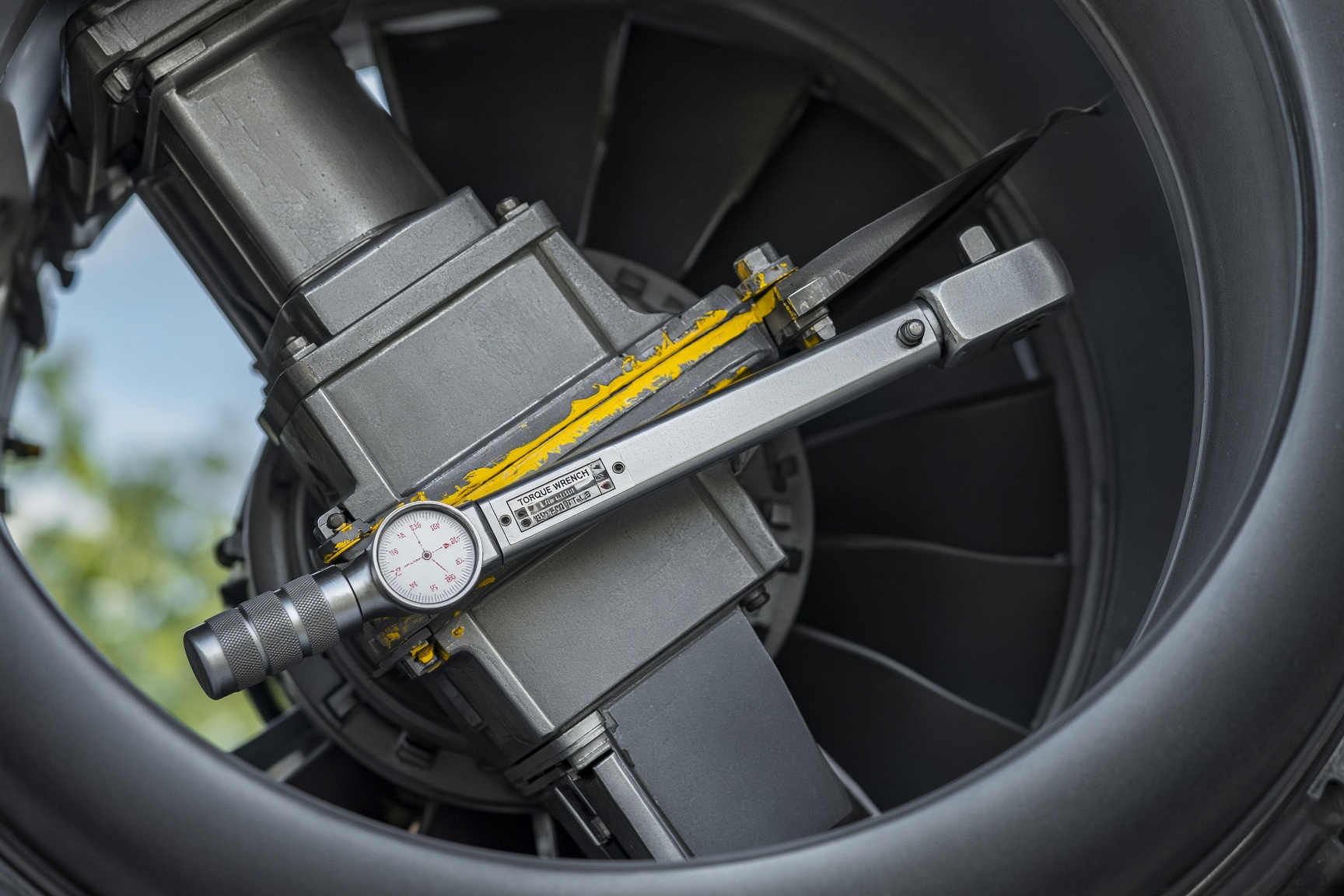
The first A&P box is not a 270-piece chrome set from a big-box aisle. It is a small, mean collection of tools you will hold until the knurling is shiny: wire twisters that lock, dikes that cut clean, a mirror, a light you can put on a lap, torque you trust in inch-pounds and foot-pounds, and sockets that fit aircraft hardware — not just automotive 12-point guesses. People search “aviation mechanic tools” because a school locker photo and a YouTuber haul are both lying, in opposite directions. One is too empty. The other is a furniture problem.
Buy the tools that match the work you will sign, not the work you watched. A GA 145 and a turbine line share safety wire, torque, and inspection. They do not share the same crowfoot drawer. Start with the twelve you will use every shift. Add the rest when a job or a shadow board tells you to. If you are still on the how to get an A&P path, do not finance a rolling cabinet before you have a ticket; starting pay will not cover a boutique chest in month one. The Kit hub is the rest of this aisle — borescope, headset, lockwire — written the same way.
The first twelve tools, not 270 chrome pieces
A starter kit is inspection, fastening, and the ability to safety what you just torqued. Flashlight and inspection mirror are not optional extras. GVI is still most of airworthiness; a phone light in a tank is how you miss the ridge under the paint. A pick set and a scribe beat a screwdriver used as a pick. Dikes (diagonal cutters) and duckbills earn their slot on cotter pins and lockwire tails. Safety wire pliers that actually lock are a daily tool, not a novelty — the safety wire desk is the technique half of that pair. Combination wrenches and a 1/4-inch plus 3/8-inch ratchet cover the hardware you can reach; six-point sockets hold a fastener you cannot afford to round, twelve-point only when access or the head demands it.
- Light + mirror: raking light on laps, behind, under. Not the flashlight app.
- Pick set, scribe, and a small magnet or retrieval tool — FOD is a career.
- Dikes, duckbills, snap-ring pliers (internal and external, the sizes your shop actually uses).
- Safety wire pliers that lock, plus a known spool of .032 and a little .020 / .041.
- 1/4 in and 3/8 in ratchets, a speed handle, combination wrenches in the fractional sizes AN/MS hardware actually is.
- Sockets that fit aircraft heads. Crowfoots when the SRM puts a torque on a hose fitting you cannot socket.
- Inch-pound torque wrench and a foot-pound torque wrench. Two tools. Not one “that goes both ways” you will not believe.
- Soft-face hammer, brass or nylon drift. Steel on aluminum is a dent you get to explain.
- Feeler gauges, a six-inch scale, digital calipers you do not drop in a cowl.
- A bag or a small box you can FOD-check in thirty seconds. A 270-piece tray you cannot.
Aircraft hardware is mostly fractional, AN/MS, and unimpressed by a metric-only auto set. You will still want a small metric handful if the shop flies anything with a European vendor sticker, but do not let the big-box “270-piece SAE + metric” kit make the decision. Those sets are full of 12-point shallow sockets, chrome that rounds, and a torque wrench you should not trust. Buy the pieces. Skip the poster.
Torque that matches the SRM
The SRM and the AMM speak inch-pounds and foot-pounds, sometimes Newton-meters on a conversion line you should not do in your head at 2 a.m. A click wrench you had calibrated, used in the right direction, on the right range, is the tool. Using a 150 ft-lb wrench to “click” 40 in-lb is how you stretch a stud and write a story. Range: you want the fastener in the middle of the wrench’s scale, not at either stop. Many hangars keep a small in-lb wrench for avionics, switches, and the hardware that shears if you look at it, and a mid ft-lb wrench for airframe. A large one comes later, with the job.
Clicks are not magic. Zero the wrench when the maker says to. Do not leave it stored at 80 percent of scale unless the instructions say that is how it lives. Do not use it as a breaker bar. If the shop has a torque tester, use it on the interval quality printed — not when you remember. A hanging tag with a date is the difference between a tool and a liability. Crowfoot adapters change the effective length; the manual or the shop procedure will tell you whether to compensate and how. Guessing is not a method.
Safety wire lives in this box
If it can back out, it gets wire — or a cotter, or a tab, as the drawing says. The pliers that will not lock, that chew the .032, or that open in your hand on a hot cowl, are a tax you pay every shift. Buy a pair that ratchets and lasts. Keep .020, .032, and .041 on the spool you actually use; .032 does most airframe work. The twist pulls in the tighten direction. The pigtail is short and tucked. Technique is a separate desk: safety wire on aircraft. The tool desk only has to say this: the $12 pair is how you learn to hate lockwire. Do not learn that way.
Inspection kit before you buy a camera
Add the borescope only after the box above exists. A camera does not substitute for a light you can put on a lap joint, a mirror behind a rib, or the raking angle that shows filiform as a ridge instead of a stain. GVI is still the job. The National Outlook will hire people who can look; the BLS occupational handbook is a photograph of the trade, not a shopping list, but it is the same trade that still starts with eyes and a flashlight.
| Tool | Why it is in the first box | Cheap mistake | Planning band |
|---|---|---|---|
| Safety wire pliers (locking) | Every day, if the hardware can back out | No-name that will not lock or that chews .032 | A decent pair: tens of dollars to low hundreds. Not $12 |
| Flashlight + inspection mirror | GVI is still most of the job | Phone light in a tank; a mirror you cannot index | A light you can dim and a mirror that articulates |
| Torque (in-lb and ft-lb) | The SRM does not speak “good and tight” | One huge wrench for everything; never calibrated | Two wrenches you will actually send out for cal |
| Pick set + scribe + dikes | O-rings, lockwire tails, cotters, FOD | Screwdriver as a pick; dikes that crush instead of cut | Hand tools you can replace without a loan |
| Aircraft-capable sockets / wrenches | AN/MS heads, access, six-point when you can | 12-point on everything; auto-only depths | Buy the sizes the fleet uses, not a 270-piece poster |
| Borescope (later) | Named ports, stills for the card | Toy USB as a release tool | See the borescope desk — after this box exists |
Year-two additions that earn their slot
Year two is when the fleet tells you what to add. Turbine line: more crowfoots, a better in-lb wrench, maybe a personal articulating scope, a headset if you jumpseat. GA: more lockwire practice, a rivet set if the shop lets you. Do not buy a puller set “for later.” Buy it the week you needed it, from the shop’s brand so the jaws match the wall.
Specialty tools the AMM names — fixture, sling, protractor — are usually shop property. If a supervisor sends you to buy your own, get that in writing. Engrave personal tools. Shadow boards exist because FOD and theft are both real. The FAA mechanic pages will get you the certificate; they will not kit you.
Budget, FOD, and the shop that already has a shadow board
An honest first box, if you do not already own torque, often lands in a roughly $400–$1,200 planning band in 2026 money before a rolling cabinet. The cabinet can wait. Ask the shop: issued versus personal, what they ban, and whether a used set from a retiring AMT is welcome. Used torque without a cal sticker is a story. Used pliers that lock are a bargain.
FOD is the other half of the kit. Count out, count in, a lanyard where the procedure wants one, no loose sockets on a cowl. Cut lockwire goes in a pocket you empty. The FAA mechanic FAQ is the paper half of becoming the person who may sign. The box is how you do the work without making a second job for the next shift.
What tools does an aircraft mechanic need?+
Start with inspection (light, mirror), safety wire pliers that lock, torque in inch-pounds and foot-pounds, and hand tools that fit airframe hardware. Expand with the shop’s aircraft, not a YouTuber’s haul. See also safety wire and the borescope desk.
Should I buy a 270-piece set?+
Usually no. Those sets are full of the wrong sockets and a torque wrench you should not trust. Buy the twelve tools you will hold every shift. Add from the fleet.
How much should a first A&P box cost?+
Plan roughly $400–$1,200 if you need to buy torque new, in 2026 planning money. A chest is extra. Ask the shop what they issue. Do not finance furniture before a ticket.
Do I need my own borescope on day one?+
No. Light and a mirror first. A camera after the box exists, and only if the shop does not already own the look. Personal scopes do not override a 145 standard.
Will the shop calibrate my torque wrenches?+
Ask. Many 145s will put personal wrenches on the shop’s interval if they are allowed in the hangar; some issue the wrenches and ban yours. A wrench without a date is not a process.
Sources (verified)
Planning bands, not an offer or a cart. Confirm shop policy, calibration, and a dated quote before you spend. Aviation Titans is independent editorial. We may earn on partner links. We do not sell tools.