The gleaming terminals of America’s busiest airports tell a story of prosperity and growth, but beneath the surface of record passenger numbers and airline profitability, a different narrative has emerged. In 2026, US aviation safety—long considered the global gold standard—faces its most intensive period of regulatory scrutiny in decades. What began with headline-grabbing incidents involving Boeing aircraft has evolved into a comprehensive examination of the entire commercial aviation ecosystem, from manufacturing quality control to airline maintenance practices. For the millions of Americans who fly regularly, understanding this scrutiny isn’t about fueling anxiety—it’s about recognizing the rigorous oversight that ultimately makes air travel safer.
The convergence of several factors has placed US airline safety under the microscope. Federal Aviation Administration audits have revealed systemic issues at major manufacturers and carriers. Congressional hearings have exposed tensions between corporate profit pressures and safety investments. Whistleblowers from inside Boeing and airline maintenance facilities have come forward with allegations that challenge industry assurances. Meanwhile, international aviation authorities have begun questioning whether American regulatory frameworks remain as robust as their reputation suggests. This investigation examines why 2026 has become a pivotal year for US flight safety, what the findings mean for passengers, and how the industry is responding to unprecedented oversight.
The Boeing Reckoning: From Door Plugs to Systemic Reviews
The catalyst for intensified scrutiny arrived on January 5, 2024, when Alaska Airlines Flight 1282 experienced an explosive decompression at 16,000 feet after a door plug detached from a Boeing 737 MAX 9. While the skilled crew landed safely with no fatalities, the incident exposed troubling quality control failures at Boeing’s manufacturing facilities. National Transportation Safety Board investigators discovered that four critical bolts securing the door plug had never been installed—a lapse that should have been impossible given Boeing’s quality assurance protocols.
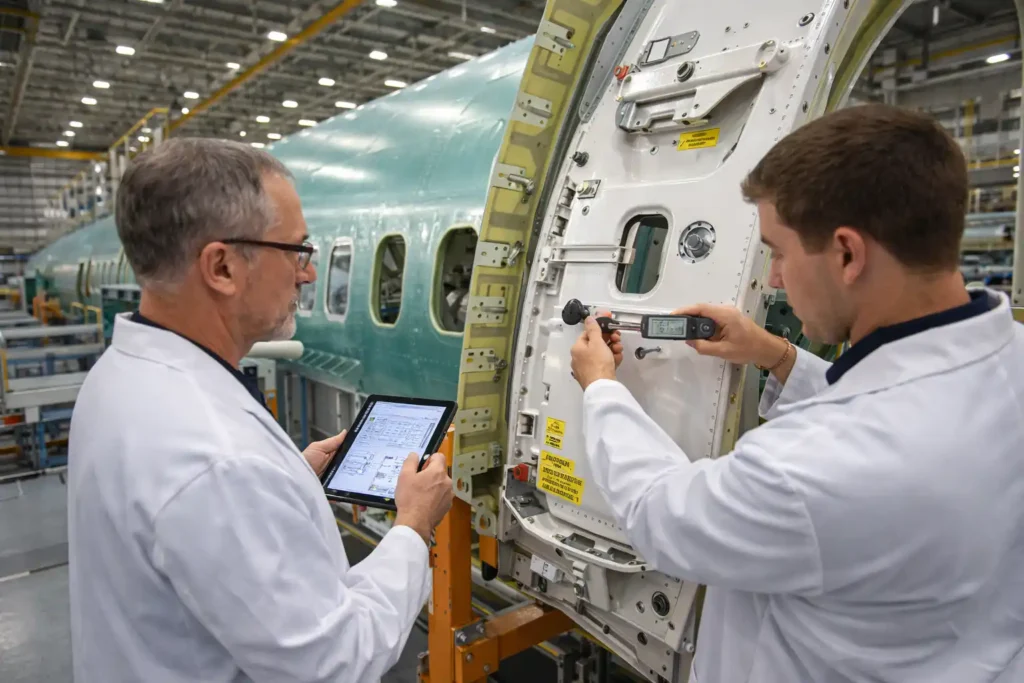
This wasn’t an isolated incident but rather the latest in a series of manufacturing defects that have plagued Boeing since the 737 MAX’s return to service following its 2019 grounding. Internal documents released through congressional investigations revealed that production pressures at Boeing’s Renton, Washington facility had created an environment where schedule adherence sometimes took precedence over quality verification. Whistleblower testimony from Boeing employees described instances of missing fasteners, improper torque specifications, and debris left inside completed aircraft—all symptoms of systematic quality control breakdowns.
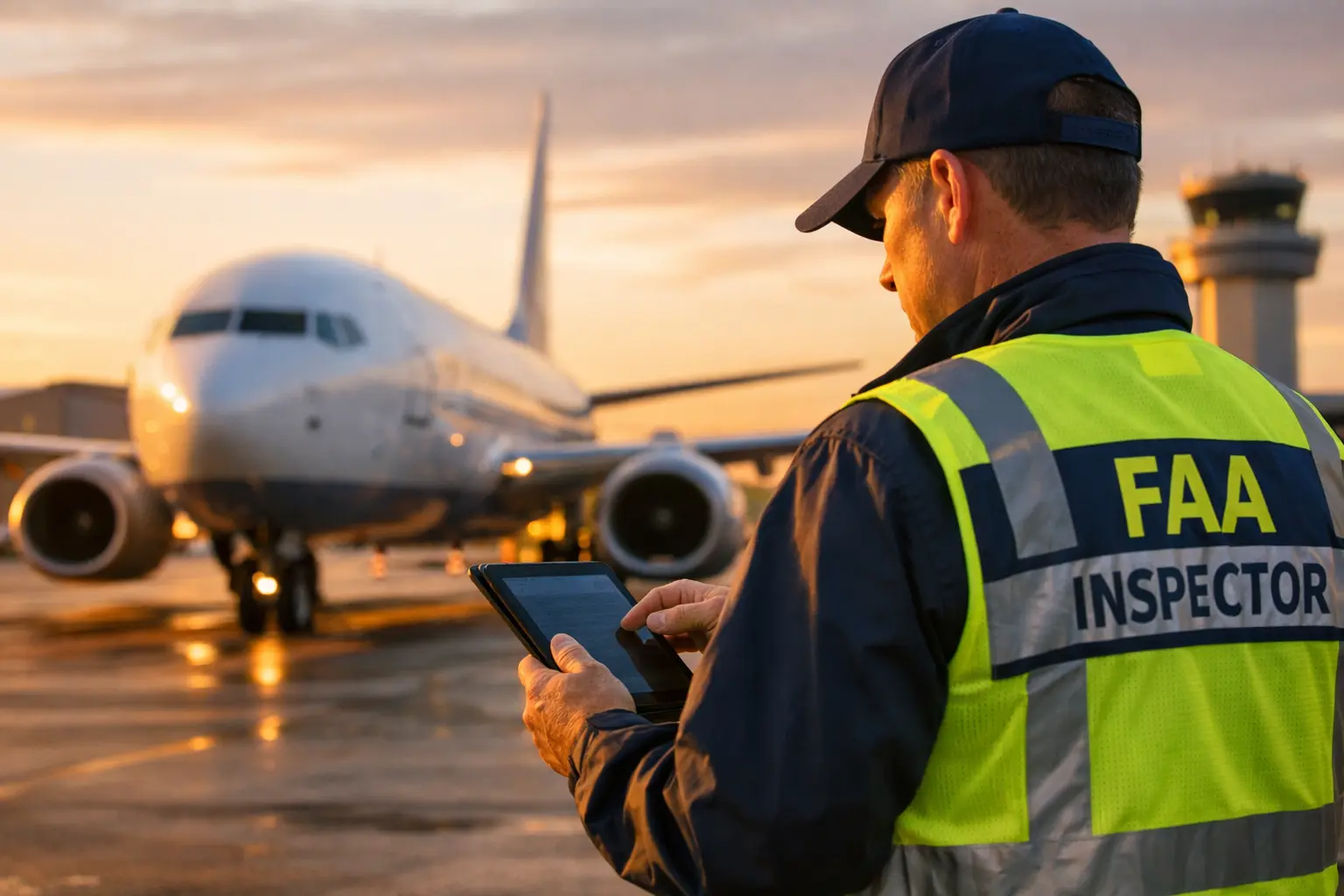
The FAA’s response marked a fundamental shift in regulatory posture. Rather than relying primarily on Boeing’s internal quality systems, the agency stationed full-time inspectors at manufacturing facilities with authority to halt production if safety concerns emerged. According to the FAA’s official safety oversight program, the agency also initiated a comprehensive audit of Boeing’s production processes, examining everything from parts procurement to final delivery inspections. This audit revealed that approximately 97% of examined manufacturing processes had some form of non-compliance with established procedures, though most were categorized as minor.
For the traveling public, these revelations raised uncomfortable questions. If Boeing—one of aviation’s most established manufacturers—struggled with quality control, what did that suggest about overall industry standards? The answer is complex. While Boeing’s manufacturing issues were genuine and concerning, they also demonstrated that safety systems worked as designed: the problems were discovered, regulatory oversight intensified, and corrective actions were mandated before these defects caused catastrophic failures. Understanding this distinction is crucial for assessing current US flight safety.
Major Carrier Audits: Delta, United, and the Maintenance Balancing Act
As Boeing faced scrutiny over manufacturing, the FAA expanded its investigative focus to airline maintenance operations. Surprise audits conducted throughout 2025 and early 2026 at Delta Air Lines, United Airlines, and several other major carriers revealed discrepancies between regulatory requirements and actual practices. These findings weren’t about aircraft falling from the sky—they concerned documentation completeness, adherence to inspection intervals, and proper certification of maintenance tasks.
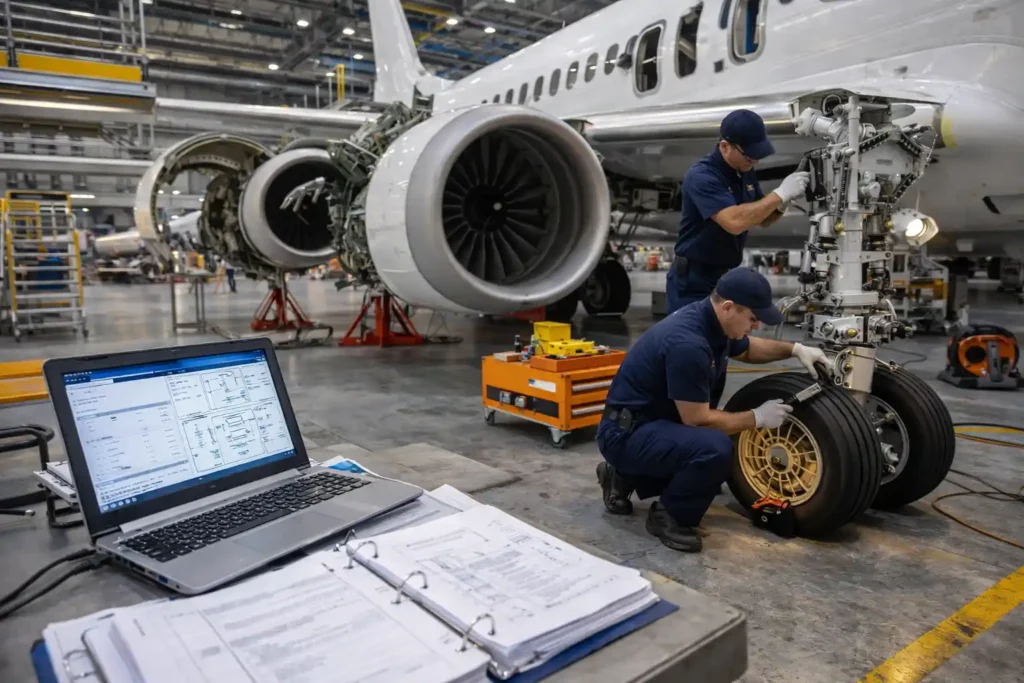
Delta’s Atlanta maintenance facility, one of the largest in North America, underwent particularly intensive review. FAA inspectors identified instances where required inspections had been signed off without complete documentation, cases where replacement parts lacked proper traceability paperwork, and situations where mechanics worked on aircraft systems outside their specific certification areas. Delta responded by temporarily grounding portions of its fleet for supplementary inspections, implementing enhanced quality assurance procedures, and retraining thousands of maintenance personnel. The airline emphasized that none of the findings indicated imminent safety risks, but acknowledged that procedural compliance had not met standards.
United Airlines faced similar scrutiny regarding its maintenance operations in San Francisco and Houston. The NTSB investigation into a March 2025 incident where a United Boeing 777 experienced a tire failure during takeoff revealed that maintenance records for the landing gear assembly contained incomplete documentation. Further examination uncovered broader record-keeping inconsistencies that prompted a comprehensive audit of United’s maintenance tracking systems. The airline invested over $100 million in upgrading its maintenance management software and implementing additional oversight layers.
These audits illuminated a fundamental tension in modern airline operations: the economic pressure to maximize aircraft utilization versus the time and resources required for thorough maintenance. Airlines operate on narrow profit margins where aircraft sitting in hangars represent significant opportunity costs. A wide-body jet generates revenue only when flying passengers, creating inherent pressure to minimize maintenance downtime. While carriers publicly affirm that safety trumps economics, the operational reality involves constant balancing of these competing demands.
Industry analysts note that this tension isn’t necessarily problematic when properly managed. Modern aircraft are engineered with substantial safety margins, and maintenance requirements already incorporate conservative assumptions. The real risk emerges when economic pressures lead to corner-cutting: deferred inspections, incomplete documentation, or rushed repairs. The FAA audits in 2026 were designed to verify that airlines’ safety cultures remained robust despite financial pressures—and in cases where deficiencies appeared, to mandate corrective actions before they compromised safety.
Aviation Oversight in 2026: Regulatory Evolution and Industry Response
The intensified scrutiny of US aviation safety has prompted the most significant regulatory evolution in decades. The FAA’s traditional approach relied heavily on voluntary compliance and industry self-reporting, premised on the understanding that airlines and manufacturers shared regulatory interest in safety. Recent events challenged this assumption, revealing that commercial pressures could sometimes compromise safety culture even at well-established organizations.
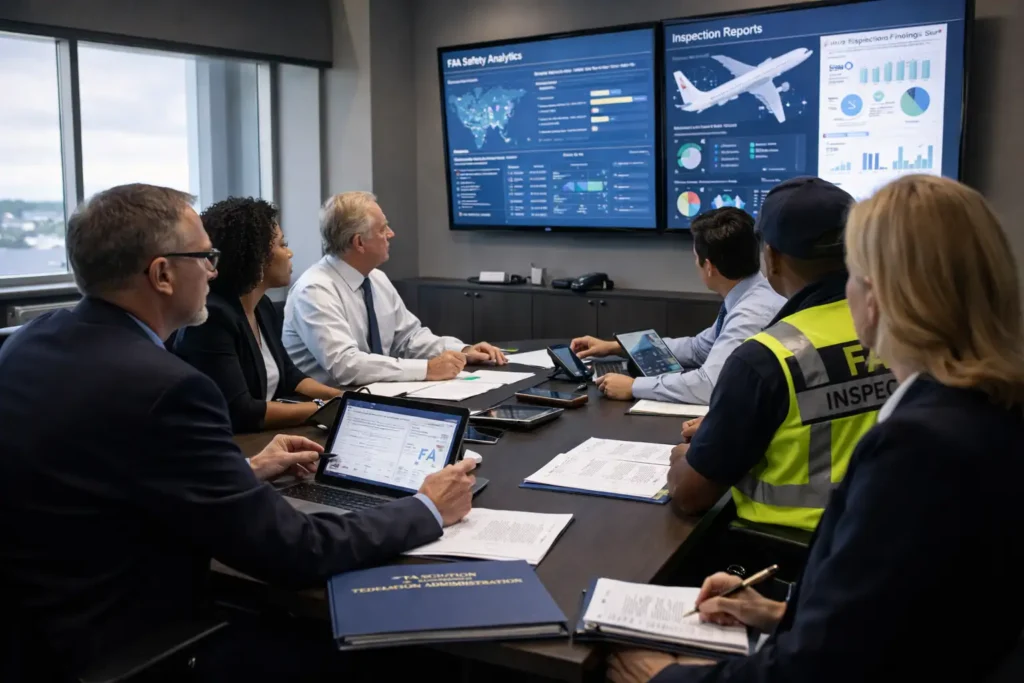
In response, the FAA has implemented more proactive oversight methodologies. The Safety Management System (SMS) requirements, previously applicable mainly to airlines, have been extended to manufacturing facilities and major MRO providers. These systems require organizations to systematically identify safety hazards, assess risks, and implement mitigation strategies, with regular FAA audits verifying effectiveness. The agency has also expanded its data analytics capabilities, using AI algorithms to identify patterns across incident reports, maintenance records, and operational data that might indicate emerging safety trends before they result in accidents.
Congressional legislation passed in late 2025 provided the FAA with increased funding specifically earmarked for additional inspectors and enhanced oversight capabilities. The agency hired over 300 new safety inspectors focused on manufacturing oversight and airline maintenance operations. This expansion addressed a long-standing concern that FAA resources hadn’t kept pace with industry growth, forcing regulators to rely too heavily on industry self-certification.
International dimensions have also emerged. The European Union Aviation Safety Agency (EASA) initiated its own review of Boeing manufacturing processes and temporarily restricted operations of certain aircraft configurations until safety verifications were completed. This international scrutiny created additional pressure on US regulators to demonstrate that FAA safety standards remained world-leading. Aviation authorities in Asia and the Middle East similarly signaled that they would conduct independent safety assessments rather than automatically accepting FAA certifications—a significant departure from historical practices.
The industry response has been multifaceted. Boeing announced a complete restructuring of its quality assurance operations, bringing in outside experts to redesign production processes and implementing what CEO David Calhoun described as a “safety-first culture reset.” Major airlines increased their maintenance budgets by an average of 12-15%, hired additional quality assurance personnel, and implemented more robust internal audit programs. These investments represent recognition that the cost of safety failures—in terms of both regulatory consequences and public trust—far exceeds the expense of preventive measures. For deeper analysis of these industry dynamics, visit our Industry Insights & Analysis section.
The Economic Pressure Paradox: Profitability Versus Safety Investment
Understanding current safety scrutiny requires examining the economic context in which airlines operate. The commercial aviation industry has experienced remarkable financial recovery following the COVID-19 pandemic, with US carriers reporting record profits in 2024 and 2025. However, this profitability exists alongside significant cost pressures: labor contract negotiations have resulted in substantial wage increases for pilots and mechanics, fuel prices remain volatile, and infrastructure investments require billions in capital expenditure.
Within this economic landscape, maintenance represents one of the largest controllable operating expenses. Airlines spend approximately 10-12% of total operating costs on maintenance, repair, and overhaul activities. This creates temptation to optimize maintenance spending through strategies like extending component service lives, minimizing aircraft ground time, and outsourcing work to lower-cost providers. When implemented within regulatory frameworks and with appropriate safety oversight, these strategies can be perfectly legitimate. The concern arises when economic optimization undermines safety margins.
Investigative reporting by Reuters Aviation has highlighted specific cases where this tension manifested problematically. Documents obtained through Freedom of Information Act requests showed instances where airline executives questioned maintenance recommendations from their own technical staff, seeking justification for deferring certain repairs or extending inspection intervals. While these discussions don’t necessarily indicate safety compromises—executives rightfully question expenditures—they illustrate the organizational dynamics where safety and financial considerations intersect.
The counterargument from industry advocates is that economic success and safety are complementary rather than conflicting. Airlines that experience safety incidents face enormous financial consequences: regulatory fines, liability claims, fleet groundings, and devastating brand damage. The Boeing 737 MAX groundings cost the manufacturer over $20 billion and damaged its reputation for decades. From this perspective, robust safety investment represents prudent business strategy rather than reluctant regulatory compliance.
The optimal balance appears to involve robust regulatory oversight that sets non-negotiable safety baselines, coupled with industry safety cultures that view maintenance excellence as competitive advantage rather than cost burden. The 2026 audits and resulting reforms aim to ensure this balance exists throughout US commercial aviation. The findings to date suggest that while most operators maintain appropriate safety standards, pockets of complacency had emerged that required regulatory intervention to address.
Transparency, Trust, and the Path Forward
Perhaps the most significant aspect of current safety scrutiny is its public visibility. Unlike previous eras where safety investigations occurred largely behind closed doors, today’s aviation safety issues unfold in real-time across news media and social platforms. Whistleblower testimonies are livestreamed during congressional hearings. FAA audit findings are published online. Passengers share their concerns and experiences instantly with global audiences.
This transparency creates both challenges and opportunities. On one hand, it can amplify anxieties and create perceptions of crisis even when statistical safety records remain strong. On the other, it forces accountability and prevents industry complacency. Airlines and manufacturers can no longer rely on information asymmetry to manage safety issues quietly—they must demonstrate safety commitment through verifiable actions rather than reassuring statements.
The path forward requires sustained commitment from all stakeholders. Regulators must maintain enhanced oversight while allowing operational flexibility for evidence-based safety innovations. Manufacturers must rebuild trust through demonstrated quality control improvements and cultural transformation. Airlines must invest adequately in maintenance despite economic pressures and ensure that safety culture permeates from boardrooms to maintenance hangars. And passengers should remain informed advocates, understanding both the robust safety systems protecting them and the importance of supporting policies that prioritize safety over cost minimization.
The scrutiny facing US airline safety in 2026 represents not a crisis but a recalibration—a necessary correction after years where economic priorities gradually encroached upon safety margins. The intensive audits, regulatory reforms, and industry investments now underway will ultimately strengthen the safety infrastructure protecting millions of passengers daily. For those who fly regularly, this period of scrutiny should inspire confidence rather than concern: it demonstrates that safety systems work, that problems are identified and addressed, and that the commitment to making aviation safer continues to evolve. To learn more about the expertise behind this analysis, visit our About The Expert page.
FAQ: Understanding US Flight Safety in 2026
Is it safe to fly on US airlines in 2026?
Yes, flying on US commercial airlines remains extraordinarily safe. Despite recent scrutiny and identified deficiencies, statistical safety records show that commercial aviation continues to be the safest form of long-distance transportation. In 2025, US airlines carried over 900 million passengers with zero fatal accidents involving major carriers. The current regulatory scrutiny actually enhances safety by identifying and correcting issues before they cause accidents. The FAA audits revealed procedural non-compliance and documentation issues—important concerns that require attention, but distinct from imminent safety threats. Modern aircraft have multiple redundant safety systems, and maintenance requirements already incorporate substantial safety margins. The heightened oversight in 2026 represents a proactive safety enhancement rather than a response to degraded safety performance.
Should I avoid Boeing aircraft when booking flights?
No, properly maintained Boeing aircraft operated by US carriers meet rigorous safety standards despite recent manufacturing scrutiny. The FAA’s intensified oversight of Boeing production has actually resulted in enhanced quality control compared to previous periods. All Boeing aircraft currently in service have undergone comprehensive safety reviews, and any with identified defects have been corrected. The 737 MAX, despite its troubled history, has accumulated millions of safe flight hours since returning to service with redesigned systems and enhanced pilot training requirements. What matters more than manufacturer is the operating airline’s maintenance culture and regulatory compliance. Both Boeing and Airbus produce safe aircraft when manufacturing quality control is maintained and operators follow proper maintenance protocols. Passengers should focus on airline safety records and regulatory compliance rather than avoiding specific manufacturers.
How do I know if my airline is maintaining aircraft properly?
While passengers can’t directly audit airline maintenance programs, several indicators provide insight into carrier safety cultures. Check the FAA’s public enforcement database for recent violations or fines—carriers with clean records generally maintain robust safety cultures. Review aviation safety databases like Aviation Safety Network for the airline’s incident history. Observe aircraft condition during boarding: clean, well-maintained interiors often correlate with thorough mechanical maintenance. Major US carriers (Delta, United, American, Southwest, etc.) all maintain comprehensive maintenance programs subject to continuous FAA oversight. Airlines that emphasize their safety investments publicly and maintain transparent communication during incidents generally demonstrate stronger safety cultures. Remember that all US commercial carriers must meet identical FAA safety standards—the question is how consistently they exceed those minimums through organizational culture and investment priorities.
What changes have resulted from the 2026 safety audits?
The FAA audits have prompted significant industry-wide changes improving safety oversight and practices. Airlines have increased maintenance budgets by 12-15% on average, hired additional quality assurance personnel, and implemented enhanced internal audit programs. Boeing restructured its quality control operations, adding verification steps and increasing inspector authority to halt production when issues arise. The FAA stationed permanent inspectors at manufacturing facilities with expanded authority and hired 300+ additional safety inspectors system-wide. New regulations require more comprehensive reporting of maintenance findings and mandate Safety Management Systems at MRO facilities. Documentation requirements have been strengthened to improve parts traceability and maintenance tracking. Industry training standards were updated to ensure mechanics possess skills for increasingly complex aircraft systems. These changes collectively strengthen the safety infrastructure protecting passengers, addressing identified deficiencies while establishing frameworks for continuous safety improvement.
How does US airline safety compare internationally in 2026?
US airline safety remains among the world’s highest despite recent scrutiny, though the gap with other leading aviation nations has narrowed. The International Air Transport Association (IATA) safety statistics show US carriers performing comparably to European, Canadian, Australian, and leading Asian carriers in terms of accident rates and serious incident frequency. The recent FAA audits and resulting reforms actually demonstrate regulatory system strength—problems were identified and corrected proactively rather than discovered through accidents. European regulators (EASA) maintain similarly rigorous oversight, and some argue their more centralized structure provides certain advantages. Emerging aviation markets in Asia and the Middle East have invested heavily in safety infrastructure and now match Western standards at major carriers. The key distinction is regulatory robustness and enforcement: US aviation benefits from well-resourced oversight, transparent incident reporting, and strong safety cultures at major carriers. The 2026 scrutiny reinforces rather than undermines this standing by addressing complacency before it compromises safety performance.
About Aviation Titans: Aviation Titans provides independent analysis of aviation safety, technology, and industry trends. Our mission is to deliver expert insights that help travelers and industry professionals understand the complex systems ensuring aviation safety. Learn more about our expertise.