Introduction
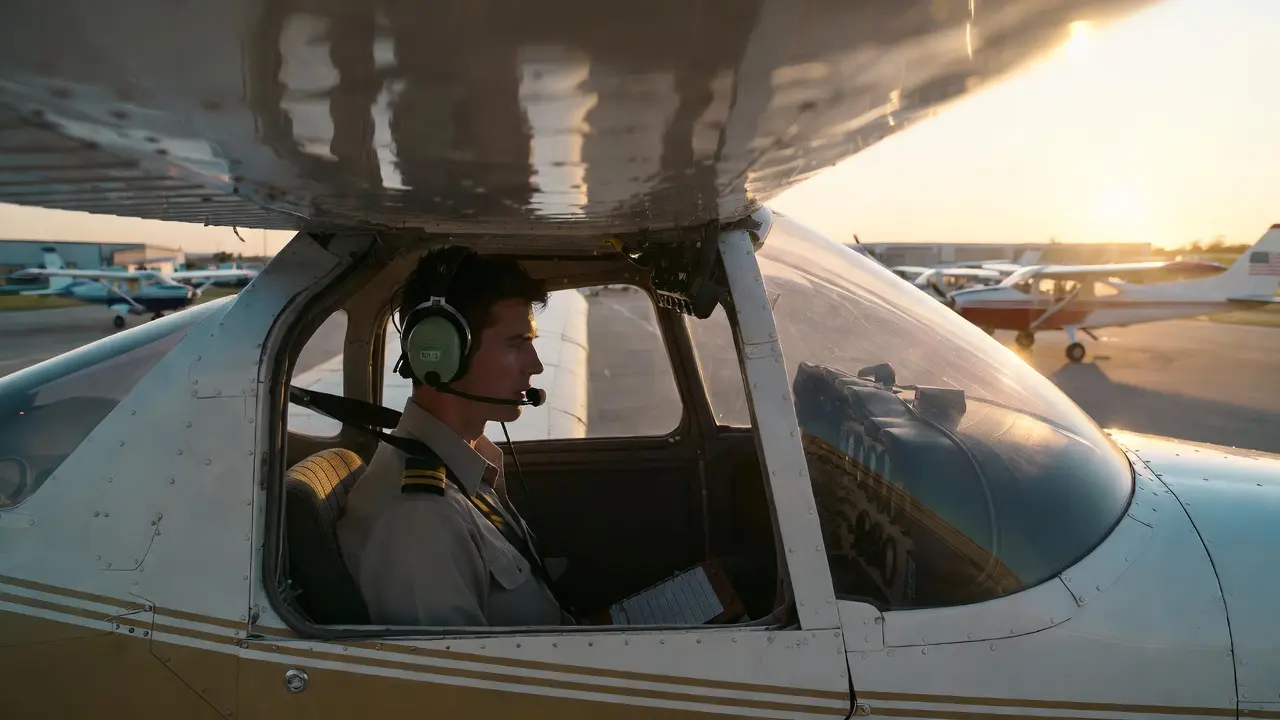
Becoming a pilot in the United States is one of the most rewarding career decisions you can make in 2026. With a massive pilot shortage projected to last well into the 2030s, aviation schools across the country are seeing record enrollment — and airlines are offering signing bonuses, accelerated hiring programs, and salaries that would have been unthinkable a decade ago. But with dozens of programs available nationwide, choosing the right aviation school can make or break your career before it even takes off.
Whether you’re dreaming of flying for a major airline like Delta or United, pursuing a career in corporate aviation, or simply want to earn your Private Pilot License for personal travel, the school you attend matters enormously. Accreditation, fleet quality, instructor experience, checkride pass rates, and post-graduation placement all vary significantly from one institution to the next.
In this comprehensive guide, we break down the best aviation schools in the USA for 2026 — covering programs, costs, requirements, and what makes each school stand out. By the end, you’ll have everything you need to make a confident, informed decision about your aviation education.
Why Choosing the Right Aviation School Matters
The FAA has projected that the U.S. will need more than 17,000 new airline pilots every year over the next two decades. This demand creates enormous opportunity — but it also means competition among aspiring pilots is fierce. Airlines don’t just look at your flight hours when reviewing applications; they look at where you trained, how quickly you progressed, and whether your academic and practical foundation is strong enough to perform under real-world pressure.
If you’re just beginning to explore what this career path actually involves — the licenses required, the timeline, and what airlines really look for — our breakdown of pilot career paths and what it takes to get hired is a great starting point before diving deeper into school selection.
A top-tier aviation school gives you access to a structured curriculum aligned with FAA certification requirements, a modern aircraft fleet that reflects what you’ll fly professionally, experienced Certified Flight Instructors with airline backgrounds, and airline partnerships that fast-track your career after graduation. Choosing poorly can mean wasted money, delayed certifications, and a weaker resume when it’s time to apply to regional or major carriers.
Top Aviation Schools in the USA for 2026
1. Embry-Riddle Aeronautical University — Daytona Beach, FL & Prescott, AZ
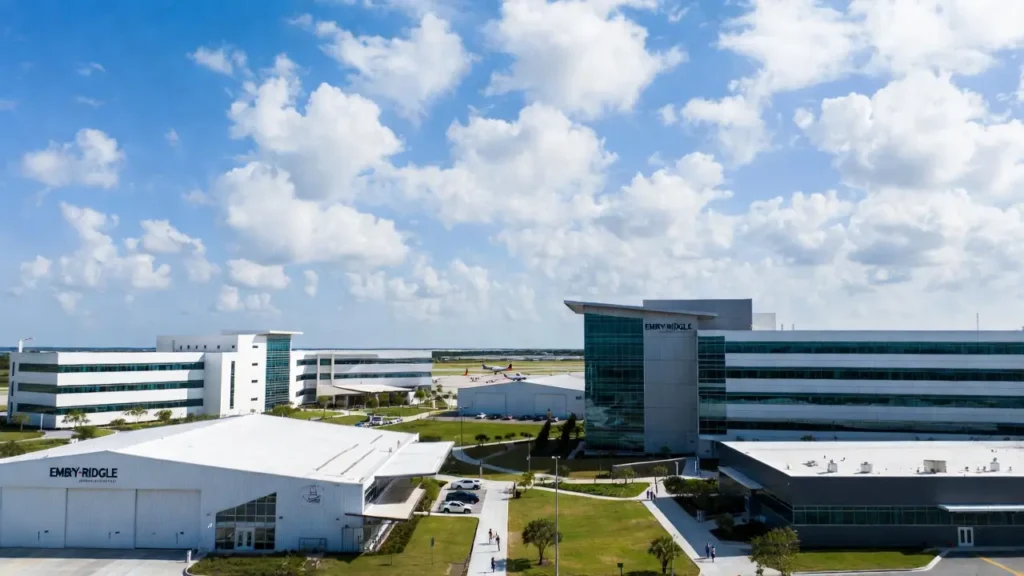
Embry-Riddle Aeronautical University is widely considered the most prestigious aviation university in the world. With campuses in Daytona Beach, Florida and Prescott, Arizona, ERAU offers a full four-year Bachelor of Science in Aeronautics that blends ground school, flight training, and aviation management into one of the most comprehensive programs available anywhere.
Programs Offered: Bachelor of Science in Aeronautics, Air Traffic Control, Aerospace Engineering, Aviation Business Administration, and Accelerated Flight Programs.
Fleet: Over 100 aircraft including Cessna 172s, Piper Archers, Beechcraft Barons, and multi-engine training aircraft.
Tuition & Costs: Annual tuition runs approximately $42,000–$48,000, with flight training fees adding another $20,000–$60,000 depending on the program stage. The total four-year cost with flight hours typically lands between $150,000 and $200,000.
Airline Partnerships: ERAU maintains direct pipeline agreements with American Airlines, Delta Air Lines, United Airlines, and Southwest Airlines through their Aviate, Propel, and Cadet Academy programs. Graduates are routinely fast-tracked to regional carriers including SkyWest and Envoy Air, with conditional job offers issued well before graduation.
Why Choose ERAU: If you want the full college experience combined with world-class flight training and the strongest airline network in the industry, ERAU is the gold standard. Their alumni network is unmatched, and their name carries real weight in aviation hiring departments across the country.
Best for: Students who want a prestigious degree combined with a direct airline career pipeline.
2. ATP Flight School — Nationwide (80+ Locations)
ATP Flight School is the largest flight training provider in the United States, operating more than 80 training centers nationwide. ATP specializes in accelerated, career-focused training designed to bring students from zero experience to a Commercial Pilot Certificate — and eventually 1,500 flight hours — as efficiently as possible.
Programs Offered: Airline Career Pilot Program (zero to ATP certificate), Multi-Engine Add-On, CFI and CFII Training, and Credit for Prior Flight Experience.
Fleet: Over 400 modern Cessna, Piper, and Cirrus aircraft, all equipped with Garmin G1000 glass cockpit avionics.
Tuition & Costs: The Airline Career Pilot Program is priced at approximately $98,995–$104,995 all-in. Financing is available through Sallie Mae and other aviation-specific lenders. Most students complete the program in 90–96 weeks.
Airline Partnerships: ATP has the most extensive airline partnership network in the country, with agreements including United Airlines Aviate, Delta Propel, American Airlines Cadet Academy, Southwest Airlines Destination 225°, JetBlue, Alaska Airlines, and more than 35 regional carriers. Many partners offer tuition reimbursement and guaranteed interview opportunities upon hitting specific milestones.
Why Choose ATP: For students who want a direct, no-frills path to the airlines, ATP is exceptionally hard to beat. Their standardized curriculum, modern fleet, and deep airline relationships make them one of the most efficient routes to a professional pilot career available today.
Best for: Career-changers, driven students who want the fastest airline path, and those who need location flexibility.
3. University of North Dakota — Grand Forks, ND
The University of North Dakota’s John D. Odegard School of Aerospace Sciences is one of the oldest and most respected aviation programs in the nation. UND combines rigorous university academics with outstanding flight training, making it a top choice for students who want both a recognized degree and genuine professional flight skills.
Programs Offered: Bachelor of Science in Aviation, Commercial Aviation, Air Traffic Control, Unmanned Aircraft Systems, and Aviation Management.
Fleet: Over 120 aircraft including Cessna 172s, Piper Seminoles, and Beechcraft Barons.
Tuition & Costs: In-state tuition is approximately $9,000 per year, with out-of-state tuition around $14,500 per year. Flight fees add $25,000–$55,000 over the course of the program, bringing the total out-of-state cost to roughly $100,000–$130,000.
Why Choose UND: UND offers exceptional value compared to private aviation universities. If you’re budget-conscious but still want a prestigious four-year aviation degree, UND consistently ranks among the top three aviation universities in the nation. Training in Grand Forks also exposes students to a wide variety of weather conditions — a significant advantage when preparing for professional flying.
Best for: Students who want a traditional university experience with strong aviation academics at a more affordable price.
4. Purdue University — West Lafayette, IN
Purdue’s School of Aviation and Transportation Technology has produced legendary alumni — including Neil Armstrong — and continues to rank among the top aviation programs nationally. The program blends engineering excellence with hands-on flight training in a way few schools can match.
Programs Offered: Professional Flight (BS), Aviation Management (BS), Unmanned Aerial Systems, and Airport Management.
Fleet: Cessna 172s, Piper Seminoles, and Diamond DA42 twin-engine aircraft.
Tuition & Costs: In-state tuition is approximately $10,000 per year, with out-of-state tuition around $28,000 per year. Flight training fees add $30,000–$55,000 over the program.
Why Choose Purdue: Purdue’s engineering reputation elevates their aviation program in unique ways. If you want an aviation degree from a globally respected research university — and potentially want doors open to aerospace engineering or aviation management as well — Purdue offers that breadth of opportunity. Their airline partnerships and career fair infrastructure are excellent.
Best for: Students interested in professional flight with potential crossover into aerospace engineering or aviation management.
5. American Flyers — Multiple U.S. Locations
American Flyers is one of the oldest and most trusted flight training organizations in the country, with a history dating back to 1939. They operate across multiple states and specialize in accelerated certifications, instrument ratings, and commercial add-ons for students at various stages of their training.
Programs Offered: Private Pilot License, Instrument Rating, Commercial Pilot Certificate, Certified Flight Instructor, and Multi-Engine Rating.
Tuition & Costs: A Private Pilot License runs approximately $12,000–$18,000. A full commercial program ranges from $55,000–$75,000. Training is highly flexible and can be completed part-time.
Why Choose American Flyers: American Flyers is ideal for those who want to begin training without committing to a full university program. They’re well known for high checkride pass rates and experienced instructors. It’s also a strong option for those pursuing aviation as a second career, where scheduling flexibility is essential.
Best for: Adults pursuing a career change, students who already have some flight experience, and those who need flexible scheduling.
6. Western Michigan University College of Aviation — Battle Creek, MI
Western Michigan University’s College of Aviation is a consistently top-ranked program in the Midwest. It offers FAA-approved Part 141 flight training with a strong emphasis on aviation science and technology, all within an accessible public university setting.
Programs Offered: BS in Aviation Science and Administration, BS in Aviation Flight Science, and a Minor in Unmanned Aerial Systems.
Fleet: More than 45 aircraft including Cessna 172s, Piper Arrows, and Piper Seminoles.
Tuition & Costs: In-state tuition is approximately $12,000 per year, with out-of-state at $15,000 per year. Total program costs typically land between $110,000 and $140,000. WMU has active airline pipelines with SkyWest Airlines and Endeavor Air.
Why Choose WMU: Excellent value for a high-quality aviation degree. WMU graduates have a solid track record of airline placement, and the program is well respected throughout the Midwest aviation community. If you want to avoid the higher costs of private aviation universities without sacrificing program quality, WMU is a standout choice.
Best for: Midwest students seeking affordable excellence in aviation education.
Aviation School Costs: What to Really Expect in 2026
One of the biggest surprises for aspiring pilots is the true total cost of flight training. Here’s a realistic breakdown of what each certification level typically costs:
Private Pilot License (PPL): $10,000–$18,000 Instrument Rating: $8,000–$15,000 Commercial Pilot Certificate: $20,000–$40,000 Multi-Engine Rating: $5,000–$10,000 Certified Flight Instructor: $5,000–$10,000 Total Integrated Program: $60,000–$130,000+
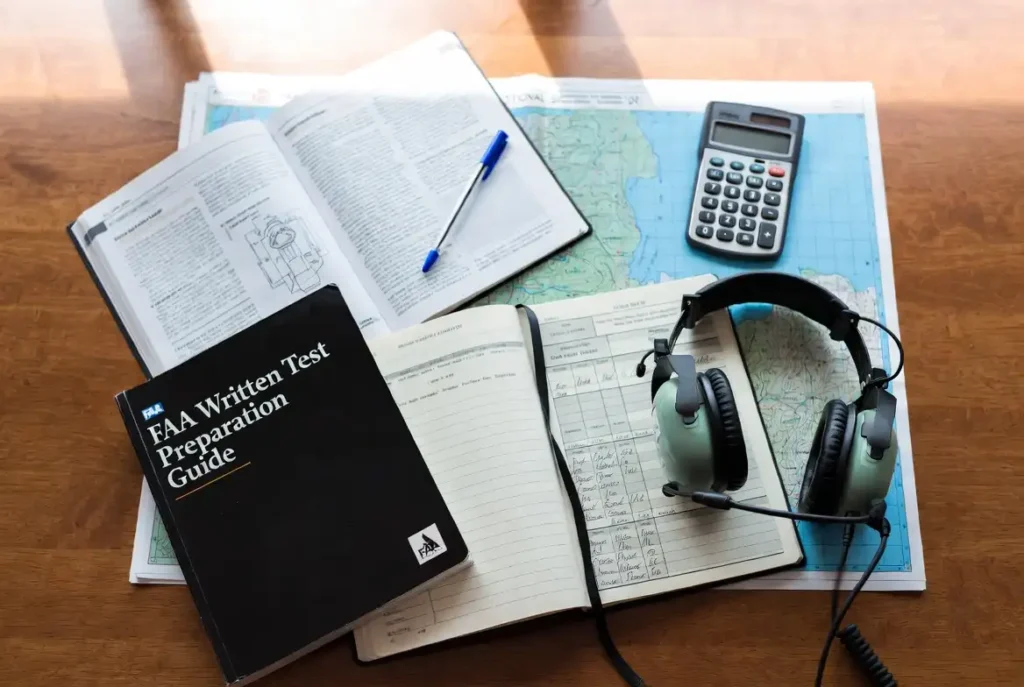
University programs bundle these certifications into a four-year degree costing $100,000 to $200,000 total. Accelerated programs like ATP sit around $100,000 all-in. For a full breakdown of every cost involved — including hidden fees most schools don’t advertise upfront — see our detailed guide on the true cost of becoming a pilot in the USA.
Financing Options: Federal student loans are available at accredited aviation universities through FAFSA. Private aviation loans are offered by lenders like Sallie Mae and Stratus Financial. Veterans may apply GI Bill benefits at eligible schools. Many airlines offer tuition reimbursement of $15,000 to $30,000 as part of their cadet and hiring programs. Scholarships are also available through AOPA, NBAA, and the Air Line Pilots Association.
The U.S. Pilot Shortage: Why 2026 Is the Right Time to Enroll
The pilot shortage in the United States is not a myth or exaggeration — it is a well-documented structural crisis driven by a combination of factors that aren’t going away anytime soon. Thousands of pilots hired during the aviation expansion of the 1990s are now reaching the FAA’s mandatory retirement age of 65. Meanwhile, air travel demand has rebounded aggressively post-pandemic, and low-cost carriers continue expanding their route networks at a rapid pace.
According to Boeing’s Pilot & Technician Outlook, the Americas will need more than 226,000 new pilots over the next 20 years. Regional airlines are already offering starting salaries of $80,000–$100,000 — a dramatic jump from the $30,000–$40,000 starting pay that was standard just a decade ago. Major airlines are now paying first officers $120,000 or more within their first year of employment.
Anyone considering this path should review the FAA’s official pilot certification and career guidance to understand the licensing structure, medical requirements, and regulatory framework you’ll be operating within throughout your career. Getting familiar with these requirements early helps you plan your training timeline with confidence.
For anyone seriously considering aviation as a career, the opportunity window right now is extraordinary. Schools that once maintained long waitlists are actively recruiting. Airlines are sponsoring students directly through cadet programs. The barriers are financial, not structural — and financing options have never been more accessible.
Airline Pipeline Programs: The Fast Track to the Flight Deck
Many of the schools covered in this guide have formal airline cadet or pipeline agreements that give their graduates meaningful advantages in the hiring process. Here’s a look at the major U.S. airline pathway programs worth knowing:
United Airlines Aviate partners with ATP, ERAU, and several other institutions. The program offers conditional job offers early in training, structured mentorship, and interview guarantees. Target minimums are typically 1,000–1,500 hours.
Delta Propel partners with ERAU and select schools. It provides structured mentorship, networking events, and a clear pathway to a Delta interview — one of the most competitive in the industry.
American Airlines Cadet Academy is open to students at partner schools and offers up to $30,000 in tuition reimbursement along with a formal interview pathway to American Airlines.
Southwest Airlines Destination 225° partners with ATP and others, offering strong mentorship, scholarship components, and a structured path to Southwest’s right seat.
JetBlue Gateway is unique in that it accepts students with zero hours and takes them all the way to a First Officer role at JetBlue. It’s highly structured and one of the most respected programs in aviation.
These pipeline agreements are increasingly becoming the standard path to airline employment, replacing the old model of simply accumulating hours and cold-applying. If landing at a major airline is your goal, attending a school with an established pipeline should be a top priority in your decision-making process.
How to Choose the Right Aviation School for You
With so many strong programs available, narrowing down your choice can feel overwhelming. These are the key factors worth weighing carefully:
Budget is often the deciding factor. Flight training is expensive no matter where you go. Determine how much you can realistically invest, research available financial aid, and look into airline cadet sponsorship programs that could significantly offset costs.
Career goals should shape your decision as much as budget. If a major airline career is your target, a program at ERAU or ATP with established airline pipelines will serve you better than a local Part 61 school. If corporate aviation or personal flying is the goal, a smaller program may be perfectly adequate.
Timeline matters more than many students expect. ATP’s accelerated programs can bring you from zero to airline-ready in under two years. University programs take four years but produce a degree. Think clearly about where you want to be in five years and work backward.
Location affects both the quality of your training and your quality of life. Training in Florida means abundant sunny VFR days. Training in the Midwest means genuine exposure to instrument conditions — excellent preparation for professional flying. Consider proximity to major airports and what kind of environment you’ll thrive in.
Accreditation is non-negotiable. Always verify that any school you consider is FAA-approved under Part 141 (structured curriculum) or Part 61 (more flexible). Part 141 schools often allow students to reach certifications with fewer minimum flight hours, which saves both time and money.
Tips to Maximize Your Aviation School Experience
Getting into the right school is just the beginning. Here’s how to make the most of every dollar and hour you invest:
Fly as often as possible. Students who fly four to five times per week progress exponentially faster than those who fly once or twice. Weather and aircraft availability permitting, be in the cockpit as much as your schedule allows.
Study ground material before every single lesson. Pre-briefing ensures you spend cockpit time applying knowledge rather than learning it from scratch, which keeps training efficient and costs manageable.
Build genuine relationships with your instructors. Your CFI’s personal endorsement and recommendation will carry real weight when you apply to regional carriers. Be coachable, show up prepared, and make a strong impression.
Join aviation organizations early. AOPA, EAA, and Women in Aviation International all offer scholarships, networking events, and industry connections that can open unexpected doors.
Get your instrument rating as quickly as possible. Airlines treat it as a baseline requirement. The sooner you have it in your logbook, the sooner you’re genuinely employable.
Keep your logbook clean and accurate from day one. Errors, gaps, or inconsistencies in a logbook can delay or derail airline applications. Build the discipline of meticulous record-keeping early.
Final Thoughts
Aviation schools in the United States have never been better positioned to launch professional careers than they are right now. The combination of structural airline demand, competitive hiring incentives, improved training technology, and accessible financing means today’s aspiring pilots have more support than any generation before them.
Whether you choose the prestige of Embry-Riddle, the career efficiency of ATP Flight School, the academic value of UND or Purdue, or the flexibility of American Flyers, the most important thing is to choose a program aligned with your specific goals, commit to it fully, and fly as much as humanly possible.
The skies — and the career — are waiting.

Frequently Asked Questions
What is the best aviation school in the USA in 2026? There is no single best school for everyone — the right choice depends on your budget, career goals, and preferred learning style. Embry-Riddle Aeronautical University is generally considered the most prestigious, while ATP Flight School offers the most direct and cost-efficient path to the airlines. The University of North Dakota and Purdue University are outstanding academic options with strong value for the investment.
How much does aviation school cost in the USA? The total cost of flight training to reach a Commercial Pilot Certificate ranges from approximately $60,000 to $130,000 depending on the program and school. Full four-year university aviation degrees can cost $100,000 to $200,000 including all flight fees. Financing, scholarships, and airline tuition reimbursement programs can significantly reduce what you pay out of pocket.
How long does it take to become an airline pilot in the USA? The minimum realistic timeline is approximately two to three years through an accelerated program like ATP’s Airline Career Pilot Program. University-based programs take four years but include a full bachelor’s degree. You’ll also need to accumulate 1,500 flight hours — the R-ATP minimum — before flying commercially for a regional airline.
Can I get financial aid for aviation school? Yes. Students at accredited aviation universities can apply for federal financial aid through FAFSA. Private aviation loans are available through lenders like Sallie Mae and Stratus Financial. Veterans may use GI Bill benefits at eligible programs. Many airlines also offer tuition reimbursement of $15,000 to $30,000 through their cadet programs, making the total financial burden far more manageable than the sticker price suggests.
What is the difference between a Part 141 and Part 61 flight school? Part 141 schools operate under an FAA-approved structured curriculum, which allows students to certify with fewer minimum flight hours. Part 61 schools offer more scheduling flexibility but require the full minimum hours outlined in FAA regulations. Most major aviation universities operate under Part 141, which is generally the more cost-efficient path for full-time students.
Do airlines prefer graduates from specific aviation schools? Airlines don’t publicly rank schools, but they do maintain formal pipeline partnerships with specific programs — meaning graduates of those institutions receive preferential treatment during the hiring process. Schools like ERAU, ATP, UND, and Purdue have well-established, documented relationships with major and regional U.S. carriers that genuinely matter when it comes to getting an interview.
Is there really a pilot shortage in the USA? Yes, and it’s significant. The United States is experiencing a well-documented structural pilot shortage driven by mass retirements, post-pandemic travel demand recovery, and ongoing airline expansion. Boeing projects the Americas will need over 226,000 new pilots in the next 20 years. This shortage has driven starting salaries dramatically upward and created historically strong hiring conditions for new pilots entering the workforce.
What medical requirements do I need to become a pilot? All pilots in the United States must hold an FAA medical certificate. A First Class medical is required for Airline Transport Pilots, a Second Class for Commercial Pilots, and a Third Class for Private Pilots. The FAA’s online MedXPress system is used to apply. It’s strongly recommended to obtain your medical certificate early in the training process — before investing significant money in flight training — to ensure you meet the health standards required for the career you’re pursuing.