
Choosing a career as an aircraft maintenance technician in the United States can offer strong earning potential, stable demand, and clear pathways for salary growth over time. This 2026 guide breaks down the aircraft maintenance technician salary USA landscape so you can make informed decisions about your aviation career.
What Does an Aircraft Maintenance Technician Do?
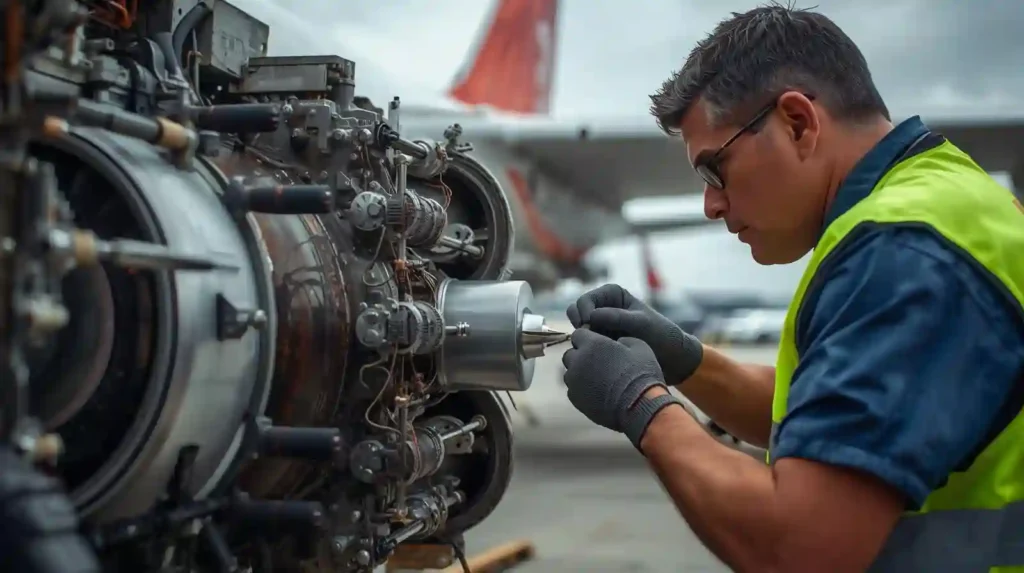
Aircraft maintenance technicians (AMTs), often called aircraft mechanics or A&P mechanics, inspect, repair, and maintain airplanes and helicopters to keep them airworthy and compliant with FAA regulations. They work on everything from airframes and powerplants to hydraulics, avionics, and complex mechanical systems.
Typical responsibilities include:
- Performing scheduled inspections and preventive maintenance
- Troubleshooting mechanical, structural, and electrical issues
- Repairing or replacing components such as engines, landing gear, and control surfaces
- Reviewing logbooks and maintenance records for compliance
- Signing off work in accordance with FAA-approved procedures
- Collaborating with pilots, engineers, and maintenance control teams
AMTs work in a variety of environments: airline maintenance bases, MRO (maintenance, repair, and overhaul) facilities, corporate flight departments, manufacturers, and military or government operations. Many roles require holding an FAA Airframe and Powerplant (A&P) certificate to perform and approve major maintenance tasks.
Average Aircraft Maintenance Technician Salary in the USA
The most reliable national data source for aircraft mechanic salary information is the U.S. Bureau of Labor Statistics (BLS), which tracks “Aircraft Mechanics and Service Technicians” as a single occupation.
Average Annual Salary
According to recent BLS-based data summarized by aviation training providers, the national median salary for aircraft mechanics and service technicians is around 78,680 USD per year as of May 2024. This “median” means half of mechanics earn more than this figure and half earn less.
The full pay distribution for FAA aircraft mechanic and general AMT roles looks roughly like this:
- 10th percentile (entry level): about 45,000–48,000 USD per year
- 25th percentile: around 59,000–60,000 USD per year
- 50th percentile (median): about 75,000–79,000 USD per year
- 75th percentile: around 88,000–90,000 USD per year
- 90th percentile: roughly 114,000–120,000+ USD per year
BLS national mean wages for aircraft mechanics are in the mid–70,000 USD range annually, aligning closely with these median values. Many A&P mechanic salary packages at major airlines or high-cost locations exceed 90,000–100,000 USD, especially with overtime and premiums.
Hourly Wage Breakdown
Aircraft maintenance technician pay is often quoted as an hourly wage, especially in airline and MRO environments. Nationally, BLS data shows mean hourly earnings in the mid–30 USD range for aircraft mechanics.
Approximate hourly pay levels:
- Lower range / entry-level: about 22–26 USD per hour
- Median range: around 36–38 USD per hour
- Top earners (90th percentile and above): 55–58 USD per hour or more
Because of shift work, overtime, and night or weekend differentials, total annual earnings can significantly exceed “straight-time” hourly calculations. Many experienced AMTs in airline or federal government roles see their effective annual income boosted by these additional pay factors.
Aircraft Maintenance Technician Salary by State (Table Required)
AMT salary by state varies with cost of living, concentration of aviation employers, and regional demand. States with major hubs, aerospace manufacturers, or busy MRO centers often pay above the national average.
Below is an approximate snapshot of AMT salary by state for key markets, drawing on BLS-based summaries and recent aviation salary guides.
Aircraft Maintenance Technician Salary – Selected States (Approximate Annual Mean/Median)
| State | Approx. Annual Pay (USD) | Notes |
|---|---|---|
| California | ~81,700–85,800 | Large hubs (LAX, SFO), higher cost of living, strong airline and MRO presence. |
| Texas | ~78,000–82,000 | DFW, Houston, San Antonio; many airline, cargo, and MRO employers. |
| Florida | ~70,000–71,000 | Heavy GA and MRO activity, large regional airline presence. |
| Washington | ~83,700 | Strong aerospace manufacturing and airline maintenance operations. |
| Georgia | ~84,000 | Atlanta hub (ATL), airline tech ops, corporate and MRO facilities. |
Salary ranges inside each state can vary widely between rural airports, regional carriers, and large metro airline bases. For example, major cities in Texas and California often show A&P mechanic salary offers reaching 80,000–100,000+ USD for experienced technicians, especially in heavy check or specialized roles.
Salary by Experience Level
Experience is one of the strongest drivers of aviation maintenance technician pay. As you gain more years on the job, your ability to troubleshoot complex issues, sign off major repairs, and mentor newer techs translates into higher wages.
Entry-Level (0–2 Years)
Entry-level aircraft maintenance technicians, including new A&P mechanics, typically start in the mid–40,000 to mid–50,000 USD range per year. This often corresponds to about 22–26 USD per hour in many regions.
Common entry-level roles include:
- Line mechanics at regional airlines
- Junior technicians at MRO facilities or FBOs
- Apprentice or helper positions under supervision of senior A&Ps
These early years are focused on building logbook experience, learning company procedures, and progressing to sign-off authority.
Mid-Level (3–7 Years)
With several years of experience, many AMTs reach or exceed the national median salary, often earning in the 70,000–90,000 USD annual range depending on employer and location. Mid-level technicians are frequently trusted with more complex troubleshooting, heavy checks, and mentoring duties.
At this level, technicians may move into:
- Major airline line or hangar maintenance roles
- Specialized engine, structures, or avionics positions
- Lead mechanic roles on specific aircraft types or fleets
Senior / Lead Technician (8+ Years)
Senior mechanics, lead techs, inspectors, and supervisors can see compensation above 90,000–120,000+ USD per year, especially when combining base pay with overtime and shift differentials. The top 10 percent of aircraft mechanics nationwide fall in this range.
Typical advanced positions include:
- Lead A&P mechanic or crew chief
- Inspection authorization (IA) roles in some segments
- Maintenance control, quality assurance, or training positions
- Federal government or defense contractor roles with premium pay scales
A&P Certification and Its Impact on Salary
FAA Certification
In the United States, most higher-paying aircraft maintenance roles require an FAA Airframe and Powerplant (A&P) certificate, which qualifies you to work on and approve a broad range of aircraft systems. A&P mechanics are recognized by employers as meeting federal training and competency standards.
Information about certification standards and requirements is outlined in FAA regulations and guidance, such as 14 CFR Part 65 and related FAA resources. You can explore official certification details on the FAA’s website:
How A&P Increases Earnings
Holding an A&P certificate significantly improves earning potential compared with non-certified or partial-scope technician roles. Wage data and industry salary guides show A&P mechanic salary levels clustering around the upper end of national averages for aircraft maintenance.
Benefits of A&P certification include:
- Access to airline, corporate, and major MRO positions
- Eligibility to sign off logbook entries and major repairs
- Higher starting salaries and faster raises
- More opportunities for overtime and premium assignments
In many fleets, non-A&P helpers may start in the 35,000–45,000 USD range, while fully certified A&Ps quickly move into the 50,000–70,000+ USD range and beyond as they gain time-in-service.
Career Advantages
Beyond pay, an A&P license opens doors across the aviation sector. A certified FAA aircraft mechanic can transition between airlines, corporate operators, manufacturers, and government agencies, giving you flexibility if you relocate or want to change work environments.
A&P credentials also support:
- Movement into roles like inspector, maintenance planner, or technical representative
- International job opportunities with U.S.-registered aircraft and global operators
- Strong career resilience as fleets grow and aircraft become more technologically advanced
For a detailed overview of FAA regulatory requirements and certification policies, review the FAA’s official mechanic information page:
Airline vs MRO vs Military Salary Comparison
Different employers pay differently for similar skills, so your total aviation maintenance technician pay can change significantly depending on where you work.
Typical Pay by Sector
Approximate trends in the United States include:
- Major airlines: Often offer median to above-median pay for aircraft mechanics, frequently in the 75,000–100,000+ USD range for experienced A&Ps, plus robust benefits and travel perks.
- MRO facilities: Median pay tends to be somewhat lower than major airlines (often mid–60,000 to mid–80,000 USD), but these roles can offer flexible locations, varied aircraft types, and broad technical experience.
- Federal government / defense contractors: Median pay in the federal sector is often in the mid–80,000 USD range with strong retirement and benefits packages.
- Military (active duty): Pay structure is different (basic pay plus allowances and benefits), but military-trained mechanics often transition into high-paying civilian A&P roles after service, benefiting from their experience and security clearances.
Sector choice also influences overtime availability, shift patterns, and long-term promotion potential. Many technicians ultimately move from regional or MRO employers into larger airlines or government / defense roles to maximize their income and benefits.
Factors That Affect Aircraft Mechanic Salary
Several variables shape how much you can earn as an aircraft maintenance technician in the USA, and understanding them is essential if you want to maximize the aircraft maintenance technician salary USA across your career. These factors include your experience level, certifications, where you work, who you work for, and the aircraft types you support. When you combine the right mix of these elements, you position yourself for higher pay bands, faster raises, and better long‑term income stability.
Experience
Experience is one of the most visible and measurable drivers of aircraft mechanic salary. The longer you work on a specific aircraft type or in a particular maintenance environment, the more valuable you become to your employer. More years on type translate into faster troubleshooting, deeper system familiarity, and fewer errors—all of which justify higher pay brackets and premium roles.
Employers often tie pay scales directly to seniority and job classification. That means lead mechanics, inspectors, and crew chiefs typically sit several steps above entry‑level technicians on the pay ladder. Demonstrated troubleshooting capability, the ability to supervise junior AMTs, and a history of reliable sign‑offs are key performance indicators that can move you into these higher‑paid positions and significantly increase your aircraft maintenance technician salary USA over time.
Certifications
Certifications play a major role in determining aviation maintenance technician pay. FAA A&P certification is usually the baseline requirement for accessing the highest earning potential, because it authorizes you to perform and sign off a wide range of maintenance tasks on U.S.-registered aircraft. Without an A&P, you may be limited to helper roles or narrow scopes of work, which typically come with lower hourly rates and fewer advancement opportunities.
Beyond the A&P license, additional credentials can move you into premium pay ranges. Specialized avionics training, nondestructive testing (NDT) qualifications, inspection authorizations, and OEM training courses (for example, Boeing, Airbus, Gulfstream, or business jet type courses) all signal to employers that you bring added value. The more critical and niche the skill set, the easier it becomes to negotiate higher wages and push your aircraft maintenance technician salary USA toward the upper end of the industry range.
Location
Location has a direct impact on what you can earn as an AMT. States and metro areas with large airline hubs, strong aerospace clusters, or a high cost of living usually pay more to attract and retain skilled technicians. In these regions, competition among airlines, MROs, and corporate operators tends to drive wages upward and create more opportunities for overtime and premium shifts.
California, Washington, Georgia, Alaska, and several northeastern states often rank among the better-paying regions for AMTs, partly due to major airports, manufacturing centers, and high-volume maintenance facilities. However, technicians working in smaller markets may benefit from lower living costs, even if their nominal salary is lower. When planning your career path, it’s smart to compare local living expenses against total compensation to see where the aircraft maintenance technician salary USA stretches the furthest.
Employer Type
Who you work for matters almost as much as where you work. Major airlines and federal government employers often pay above national averages and frequently provide robust benefits packages, including health insurance, retirement plans, and travel perks. For many technicians, these roles represent the best balance of base pay, stability, and long-term career growth.
Regional airlines, smaller MROs, and general aviation operations may offer lower base salaries, but they can provide broader hands‑on experience, quicker promotion opportunities, and more flexible schedules. Working with a focused MRO or specialized shop can also expose you to niche skills—like engine overhaul or composites—that later allow you to leverage that experience into higher‑paying roles elsewhere. Choosing the right employer type is therefore an important part of maximizing your aircraft maintenance technician salary USA across the different phases of your career.
Aircraft Type and Specialization
The aircraft you work on—and how specialized your role is—also influences your pay. Maintenance on widebody and transport-category aircraft often commands higher wages than work on small general aviation aircraft because of the complexity, regulatory requirements, and operational impact of each maintenance event. Airlines and large operators are willing to pay more for technicians who can keep high-value assets in service reliably.
Specialization further increases your value. Skills in avionics, composite repair, engine overhaul, NDT, or advanced troubleshooting are often in short supply and high demand. Technicians who invest in these specialties can command salary premiums, secure more senior roles, and access employers willing to pay top dollar for their expertise. Over time, this kind of targeted specialization can significantly elevate your aircraft maintenance technician salary USA compared with generalist positions.
How to Increase Your Salary as an Aircraft Maintenance Technician
If you’re already working as an AMT or planning your training path, there are clear strategies you can follow to grow your earnings in a structured way. By aligning your certifications, specialization choices, and career moves with market demand, you can steadily move from entry-level wages toward the top tiers of aircraft mechanic salary ranges in the United States.
Earn and Upgrade Certifications
One of the most effective ways to increase your aviation maintenance technician pay is to earn and upgrade your certifications. Obtaining your FAA A&P certificate as early as possible should be a top priority, because it unlocks access to higher-paying positions at airlines, MROs, manufacturers, and corporate flight departments. With an A&P, you can sign off logbook entries, take responsibility for critical systems, and qualify for roles that helpers or uncertified techs cannot access.
After you secure your A&P, continue to stack certifications that align with your career goals. Manufacturer training on Boeing, Airbus, Gulfstream, or other popular aircraft types, as well as engine or avionics courses, can make you much more attractive to employers. These credentials send a clear signal that you are invested in your profession and capable of handling more advanced tasks—both of which support a higher aircraft maintenance technician salary USA in negotiations and internal pay scales.
Specialize (NDT, Avionics, and More)
Specialization gives you a powerful way to differentiate yourself from other mechanics and justify higher compensation. Avionics technicians and specialists in complex communication, navigation, and electronic systems frequently earn above general mechanic averages because their work is critical to safety and requires deep technical knowledge. As aircraft become more technologically advanced, demand for skilled avionics AMTs continues to grow.
Nondestructive testing (NDT), composite repair, and engine borescope inspection skills are also in high demand across airlines and MROs. These roles often involve high-value components and strict regulatory requirements, which is why employers are willing to pay a premium for technicians who can perform them accurately and efficiently. If you’re looking for a clear way to increase your aircraft maintenance technician salary USA, targeting one or two high-value specialties and building documented experience in those areas is a smart long-term strategy.
Consider Relocation
Relocation can have an immediate and substantial impact on your pay. Moving to high-demand markets—such as major hubs in Texas, California, Washington, Georgia, or the Northeast—often results in higher hourly rates, more overtime opportunities, and access to employers with stronger compensation packages. These locations usually have large airline operations, busy MRO centers, or major manufacturing sites, all of which compete for experienced A&P mechanics.
To make data-driven decisions about relocation, use AMT salary by state information and official tools like the BLS Occupational Employment and Wage Statistics. Comparing salary distributions, job concentration, and living costs will help you identify where the aircraft maintenance technician salary USA is most favorable for your situation. Even a moderate increase in hourly pay, combined with lower taxes or better benefits, can significantly raise your overall quality of life over the long term.
Use Overtime and Shift Work Strategically
Overtime and shift work are powerful levers for increasing your income, especially once you have a solid base wage. Many AMTs boost their annual pay substantially by accepting night shifts, weekend schedules, and holiday rotations that come with differentials or premium rates. In busy maintenance environments, overtime can be plentiful, particularly during heavy check cycles or peak travel seasons.
That said, it’s important to use these tools strategically to avoid burnout. Short periods where you intentionally increase your hours—such as saving for a major purchase, paying down debt, or building an emergency fund—can dramatically accelerate your financial progress. When combined with the right location, certifications, and specialization, smart use of overtime can help push your aircraft maintenance technician salary USA into ranges that rival or exceed many other skilled trades, all while keeping you in a field with strong long-term demand.
For more guidance on building your skill set, planning certifications, and choosing the right maintenance path, you can explore additional training and career resources on AviationTitans.com, where you’ll find in‑depth breakdowns tailored to aspiring and experienced AMTs.
Career Outlook for Aircraft Maintenance Technicians in the USA
Job Demand
The career outlook for aircraft mechanics and service technicians in the United States remains positive, with steady demand projected over the coming decade. BLS-based analyses indicate that total employment for aircraft mechanics is expected to remain strong as fleets grow and retirements continue.
Industry sources estimate thousands of job openings per year on average when accounting for growth and retirements. This is driven by fleet expansion, aging technician demographics, and continued demand for air travel and cargo operations.
Industry Growth
BLS projections show growth rates in the aircraft mechanic field in the mid-single-digit range over a 10-year period, roughly in line with or slightly above the average for all occupations. Aviation training organizations and employers note strong hiring pipelines for military veterans and graduates from accredited aviation maintenance schools.
Development of new aircraft technologies—including advanced avionics, composite structures, and more fuel-efficient engines—also creates ongoing demand for highly trained A&P mechanics. Technicians who stay current with training and certifications are well positioned to benefit from this growth.
For official employment projections and detailed occupational data, see:
Future Salary Trends
As fleets become more complex and experienced technicians retire, many employers are increasing pay and offering hiring bonuses or relocation packages to attract qualified mechanics. Industry salary guides already show median A&P mechanic salary figures climbing into the high 70,000 USD range, with top earners exceeding 100,000–120,000+ USD.
Overall, the long-term earning outlook for certified aircraft maintenance technicians in the USA appears strong, especially for those willing to specialize and move into high-demand markets or sectors.
Frequently Asked Questions (FAQ)
1. How much does an aircraft mechanic make per year in the USA?
Nationally, aircraft mechanics and service technicians earn a median salary of around 78,000–79,000 USD per year, based on recent occupational wage data. Entry-level positions typically start around 45,000–55,000 USD, while experienced mechanics and leads can exceed 90,000–120,000+ USD annually.
2. Is aircraft maintenance a good career?
Aircraft maintenance is considered a strong career path due to its combination of solid pay, hands-on technical work, and consistent demand. With thousands of job openings annually and a clear progression from entry-level to senior or supervisory roles, many technicians see it as a stable, long-term profession.
3. How long does it take to become an A&P mechanic?
Most people become FAA-certified A&P mechanics by completing an FAA-approved aviation maintenance technician school or by gaining equivalent military or civilian experience, then passing the required exams. The school route commonly takes around 18–24 months of full-time training before testing, while experience-based paths can take several years depending on duties and aircraft exposure.
4. Is FAA certification required to work as an aircraft mechanic?
You can perform some helper or limited-scope maintenance roles without FAA certification, but most higher-responsibility and higher-paying positions require an A&P license. Only certificated mechanics may approve and return aircraft to service after major maintenance or inspections on U.S.-registered aircraft.
5. Which state pays aircraft mechanics the most?
Top-paying states for aircraft mechanics tend to change slightly year to year, but data consistently shows strong wages in states like Maryland, Hawaii, Delaware, Alaska, Illinois, California, Georgia, and Washington. Recent summaries place California, Georgia, and Washington in the low– to mid–80,000 USD range for average annual pay, with some other smaller states exceeding that due to specialized operations or higher cost of living.
6. Do airline mechanics earn more than general aviation mechanics?
In general, mechanics at major airlines and large cargo carriers tend to earn more than those working exclusively in small general aviation or local FBO environments. However, highly specialized GA roles, corporate flight departments, and engine or avionics shops can also pay very competitive salaries for experienced technicians.
7. Are there opportunities to move into management or non-hands-on roles?
Yes. Many experienced A&P mechanics advance into positions such as maintenance supervisor, inspector, quality assurance specialist, maintenance controller, or technical instructor. These roles often come with higher salaries, leadership responsibilities, and more predictable schedules.
Final Thoughts
The aircraft maintenance technician salary USA picture in 2026 is compelling for those who enjoy technical work, problem-solving, and the aviation environment. National median wages hover around the high 70,000 USD range, with clear paths to six-figure earnings for experienced, certified, and specialized A&P mechanics.
Your long-term income will depend on where you work, which aircraft you maintain, the certifications you hold, and how proactively you manage your career. By investing in FAA certification, pursuing advanced training, and targeting high-demand markets, you can position yourself at the top end of the aviation maintenance pay scale.
To continue exploring maintenance careers, training options, and certification strategies, you can dive into more in-depth aviation career resources on AviationTitans.com tailored specifically for aspiring and current AMTs in the United States.

Senior NDT Controller with over 20 years of experience in aviation (FAA, EASA, and NRCAN certified). Expert in aircraft maintenance, non-destructive testing (NDT), and pilot training. I share practical, up-to-date 2026 guides for pilots and aviation maintenance technicians.