
![Why Private Plane Insurance in the USA Matters More Than Ever ? If you own or fly a private aircraft in the United States, aviation insurance is not optional — it is the financial foundation that protects everything you have worked for. A single mid-air incident without adequate private plane insurance in the USA can trigger lawsuits exceeding $5 million, destroy hangar equipment worth hundreds of thousands of dollars, and leave you personally liable for medical bills, property damage, and legal fees that no savings account could absorb. Yet a surprising number of private pilots and aircraft owners remain dangerously underinsured. Some carry outdated policies that no longer reflect their aircraft's market value. Others rely on FBO coverage that evaporates the moment they leave the ramp. And many first-time aircraft owners simply don't know where to start — especially those who are still in training. If you're logging your first hours, our dedicated guide to aviation insurance for student pilots covers everything you need before your first solo cross-country. This guide cuts through the confusion. Whether you fly a Cessna 172, a Piper Cherokee, a Beechcraft Bonanza, or a light sport aircraft, you'll find everything you need to understand aviation insurance costs, compare the top providers, and ultimately choose the best private plane insurance in the USA for your specific situation. What You'll Learn in This Guide What private plane insurance in the USA actually covers (and what it doesn't) The 5 main types of aviation coverage explained in plain English Average aircraft insurance costs in 2026 by aircraft type Top 5 best aviation insurance companies in the USA compared Key factors that affect your premium — and how to reduce them A complete FAQ section with the most-searched aviation insurance questions Section 1: What Is Private Plane Insurance in the USA? Private plane insurance in the USA is a specialized form of aviation insurance designed to protect individual aircraft owners, private pilots, and non-commercial operators from financial losses arising from accidents, damage, theft, liability claims, and more. Unlike auto insurance — which is standardized and mandatory in all 50 states — aviation insurance for private planes is not federally required in the US. However, most lenders require it if you financed your aircraft, most airports and FBOs require proof of liability coverage before letting you tie down or hangar your plane, and most flight instructors require it before getting in the right seat with you. According to the FAA's General Aviation Activity Survey, there are over 200,000 active general aviation aircraft registered in the United States — yet a significant portion of private owners carry insufficient coverage or none at all. This is a serious financial risk that no pilot should ignore. Private plane insurance is underwritten by a small group of specialized insurers who understand aircraft values, pilot risk profiles, and aviation operations in ways that general insurance companies simply don't. The market is niche but highly competitive — which is good news for savvy buyers. If you're also weighing the financial side of a career in aviation, our full 2026 AMT Salary Guide breaks down what aviation maintenance technicians earn across the USA and which specializations pay the most. Section 2: The 5 Types of Aviation Insurance Coverage Explained Hull Insurance (Physical Damage Coverage) Hull insurance covers physical damage to your aircraft — think of it like comprehensive and collision coverage for your car. There are two sub-types you need to know: In-flight hull coverage: Pays for damage that occurs while the aircraft is in motion — taxiing, taking off, flying, and landing. This is the most expensive part of hull coverage because accidents in motion tend to cause total losses. Ground/not-in-motion hull coverage: Covers damage while the aircraft is parked, hangared, or being towed. This includes hail, fire, theft, and hangar rash. It's cheaper than in-flight coverage, and some owners on tight budgets choose ground-only to save money. Hull coverage is typically written as agreed value (the insurer pays the full agreed amount in a total loss with no depreciation) or actual cash value (pays current market value minus depreciation). Always push for agreed value — it's worth the slightly higher premium. Liability Insurance Liability coverage is the most critical part of any private plane insurance policy in the USA. It protects you financially if your aircraft injures someone or damages third-party property. It has two components: Bodily injury liability: Covers medical expenses, lost wages, and legal claims from people injured by your aircraft (other than passengers, who are covered separately). Property damage liability: Covers damage your aircraft causes to cars, structures, fences, other aircraft, or anything else you might hit. Most aviation attorneys recommend a minimum of $1 million per occurrence in liability coverage. Many experienced pilots carry $5 million or more, especially if they fly over densely populated areas. The AOPA Insurance Resource Center is one of the most trusted references in general aviation for understanding how much liability coverage you actually need. Passenger Liability (Passenger Legal Liability) Standard liability insurance typically excludes passengers aboard your aircraft. Passenger Legal Liability (PLL) coverage fills that gap — it pays for injuries sustained by people flying with you, whether family members, friends, or business associates. In an era of increasingly litigious aviation accidents, carrying at least $100,000 per passenger seat in PLL coverage is considered the baseline. Many insurers offer per-seat limits from $25,000 up to $1 million or more. Medical Payments Coverage Medical payments coverage pays for immediate medical expenses for the pilot and passengers regardless of fault. It's a no-fault coverage designed to cover emergency costs quickly, without waiting for liability disputes to resolve. Limits typically range from $1,000 to $10,000 per person. Non-Owned Aircraft Liability If you regularly rent aircraft or fly club planes, non-owned aircraft liability insurance covers your personal liability exposure when flying aircraft you don't own. This is essential for student pilots and renters — because the aircraft owner's policy may not protect you personally. If you're currently training, our guide to the best flight schools in Florida explains exactly what insurance coverage is typically required before your first solo. Section 3: How Much Does Private Plane Insurance Cost in the USA? (2026 Data) Aviation insurance costs in 2026 vary widely based on aircraft type, pilot experience, usage, and coverage limits. The NTSB's aviation accident statistics consistently show that accident rates vary significantly by aircraft category and pilot experience level — and these statistics directly influence how underwriters price your premium. Below is a realistic breakdown of average annual premiums for the most popular general aviation aircraft in the USA: Cessna 150/152 — Hull value: $25,000–$40,000 — Premium: $900–$1,800/yr — Liability: $1M per occurrence Cessna 172 Skyhawk — Hull value: $50,000–$120,000 — Premium: $1,200–$2,500/yr — Liability: $1M per occurrence Piper Cherokee 140/180 — Hull value: $35,000–$65,000 — Premium: $1,000–$2,200/yr — Liability: $1M per occurrence Beechcraft Bonanza A36 — Hull value: $180,000–$350,000 — Premium: $3,500–$7,000/yr — Liability: $1M per occurrence Cirrus SR22 — Hull value: $300,000–$500,000 — Premium: $4,000–$9,000/yr — Liability: $1M per occurrence Piper Seneca (Twin) — Hull value: $150,000–$350,000 — Premium: $5,000–$12,000/yr — Liability: $1M per occurrence Light Sport Aircraft (LSA) — Hull value: $25,000–$80,000 — Premium: $700–$1,500/yr — Liability: $1M per occurrence Experimental/Homebuilt — Hull value: $30,000–$150,000 — Premium: $800–$3,000/yr — Liability: $1M per occurrence Note: These figures represent averages for pilots with 200+ total hours and a clean accident record. New and student pilots typically see premiums 30–70% higher. The single biggest lever on your annual premium is your pilot certificate level and logged flight hours. A student pilot insuring a Cessna 172 might pay $3,000–$4,500 per year for the same policy that a 1,000-hour instrument-rated pilot would pay $1,200–$1,800 for. Section 4: Top 5 Best Aviation Insurance Companies in the USA (2026) Choosing the right provider is just as important as choosing the right coverage. The best private plane insurance companies in the USA combine competitive pricing with genuine aviation expertise, fast claims handling, and pilot-friendly underwriting. Here are the top five based on market reputation, coverage breadth, and pilot community feedback in 2026. AOPA Aviation Insurance (Administered by Falcon Insurance) The Aircraft Owners and Pilots Association is the largest general aviation advocacy organization in the US. Their insurance program — underwritten through Falcon Insurance Agency — is consistently one of the first recommendations in the aviation community. The AOPA Air Safety Institute is also one of the best free safety education resources available to any private pilot, and completing their courses can translate directly into premium discounts with several carriers. Best for: AOPA members, student pilots, and first-time aircraft owners. Strengths: Competitive rates for low-time pilots, strong customer service, and educational resources that help you understand your coverage. Worth noting: You don't need to be an AOPA member to get a quote, but members often receive preferential rates. Global Aerospace Global Aerospace is one of the world's largest aviation insurance specialists. They underwrite everything from student pilots to complex piston twins and turboprops, and their financial strength ratings are among the highest in the sector. Best for: Owners of high-value aircraft (Cirrus SR22, Beechcraft Baron, turboprops) who need robust agreed-value hull coverage. Strengths: Broad policy customization and deep experience across commercial, corporate, and private aviation. If you want to understand why insured aircraft value matters so much at the maintenance level, our piece on [what happens inside a $100M aircraft maintenance check is a fascinating read. Avemco Insurance Company Avemco has been a fixture in general aviation insurance since 1961 and is well known for writing directly — meaning no agents or brokers, which keeps costs lower. Best for: Pilots who prefer a direct-to-insurer experience and want transparent pricing without broker commissions. Strengths: Simple online quoting, direct writer (no middleman), solid claims reputation. Worth noting: Their sweet spot is certificated private pilots with 200+ hours. More conservative with student pilots. Starr Aviation Starr Aviation is a significant player in the aviation insurance space, offering broad coverage options for private aircraft, homebuilts, and light sport aircraft. Best for: Experimental aircraft owners and homebuilders with non-standard aircraft that some carriers won't touch. Strengths: Willing to write policies for experimental and homebuilt aircraft, competitive on light sport aircraft. AssuredPartners Aerospace AssuredPartners Aerospace is one of the largest aviation insurance brokers in the country, giving clients access to multiple underwriters simultaneously. Best for: Pilots who want a broker to advocate on their behalf — especially useful for complex situations or high-value aircraft. Strengths: Access to multiple markets, expert advisors, and strong claims advocacy. Quick Comparison — Top 5 Aviation Insurance Companies USA AOPA / Falcon | Broker/Program | All GA pilots | Student pilots: Yes | Online quotes: Yes Global Aerospace | Underwriter | High-value aircraft | Student pilots: Limited | Online quotes: No Avemco | Direct Writer | Certified pilots 200hr+ | Student pilots: Limited | Online quotes: Yes Starr Aviation | Underwriter | Experimental / LSA | Student pilots: Yes | Online quotes: Via broker AssuredPartners | Broker | Complex situations | Student pilots: Yes | Online quotes: Yes Section 5: 8 Key Factors That Affect Your Aviation Insurance Premium Understanding what drives your private plane insurance cost in the USA puts you in a much stronger position when shopping for coverage. Total Flight Hours: More hours = lower risk = lower premium. The biggest pricing jumps happen at the 0–50, 50–100, 100–200, and 200–500 hour milestones. Certificate Level: IFR-rated pilots typically pay 15–25% less than VFR-only pilots. If you haven't chosen a flight school yet, our guide to the best aviation schools in the USA will help you find a program that builds your hours efficiently. Aircraft Make and Model: A Cirrus SR22 with a CAPS parachute system attracts lower premiums than comparable aircraft because of its safety record. High-performance aircraft — retractable gear, variable prop, turbocharged — cost more to insure. Agreed vs. Actual Cash Value: Agreed value costs 8–15% more but pays your full stated value in a total loss. Always negotiate for agreed value. Liability Limits: Going from $1M to $5M in liability coverage typically adds only $200–$500 per year to your premium. The marginal cost of extra liability protection is excellent value. Annual Hours Flown: Lower usage = lower premium. Declare your expected annual hours accurately — insurers price in brackets of under 50, 50–100, 100–200, and 200+ hours. Accident and Incident History: A single at-fault accident can increase your premium 40–80% for 3–5 years. The NTSB accident database is a sobering but essential read for any pilot who wants to understand the real cost of complacency in the cockpit. Geographic Operations: Flying near congested Class B airspace carries higher liability exposure. If you operate near Florida's busy corridors, our [2026 US airline safety analysis → https://www.aviationtitans.com/us-airline-safety-scrutiny-2026-analysis/] shows how regulatory pressure is reshaping risk assessment across the entire industry — including how it trickles down to private aviation premiums. Section 6: How to Get the Best Deal on Private Plane Insurance in the USA Step 1: Build Your Pilot Resume Before You Quote Before shopping for private plane insurance, get a current flight review (BFR), a current IPC if you're instrument rated, and a recent checkout in the specific aircraft you're insuring. The FAA Wings Pilot Proficiency Program is one of the most recognized safety initiatives in general aviation, and completing Wings activities can translate directly into premium discounts with several carriers. Step 2: Get At Least 3 Quotes Prices between carriers can vary by 20–40% for identical coverage. Always get quotes from at least one direct writer (Avemco), one dedicated aviation broker (AssuredPartners or similar), and the AOPA program. If you're still weighing where to train before buying your own aircraft, our comparison of Meritize vs. Sallie Mae for flight school financing gives a useful picture of how to manage the full cost of becoming a pilot. Step 3: Understand Your Deductible Options For hull coverage on a $100,000 aircraft, moving from a $0 deductible to a $5,000 deductible might save $300–$600 per year. If your aircraft is well maintained, a higher deductible may pay off over time. Step 4: Bundle When Possible Ask about package discounts for multiple aircraft, combining aviation liability with a personal umbrella policy, or insuring through the same carrier as your hangar coverage. Step 5: Review Annually Review your private plane insurance policy every year at renewal and reshop every 2–3 years. Your aircraft's value changes, your credentials improve, and your flight patterns evolve. Section 7: FAQ — Private Plane Insurance in the USA Is private plane insurance required by law in the USA? No federal law mandates aviation insurance for private aircraft in the United States. However, most lenders require it as a condition of financing, and most airports and FBOs require minimum liability coverage to operate on their property. The FAA's official pilot and aircraft regulations confirm that while certification requirements are strict, insurance is left to the discretion of owners and lenders. Flying without coverage is technically legal in most states, but a single accident can cost you everything. How much does it cost to insure a small plane per year? For a basic single-engine aircraft like a Cessna 172, private plane insurance in the USA typically costs between $1,200 and $2,500 per year for a certificated pilot with 200+ hours and $1 million in liability. Student pilots typically pay $3,000–$5,000 or more for the same aircraft. Our student pilot insurance guide covers the lower end of the market in detail. What is the difference between hull and liability coverage? Hull coverage protects the physical aircraft from damage, destruction, or theft. Liability coverage protects you from claims made by third parties injured or whose property is damaged by your aircraft. Both are essential — without hull coverage a total loss comes entirely out of pocket, and without liability coverage a single lawsuit can exceed everything you own. Can a student pilot get aircraft insurance? Yes, but it is more expensive and some carriers are more restrictive. AOPA and specialty programs cater specifically to student pilots. Completing a structured training program and maintaining thorough logbook records helps considerably. Read our full aviation insurance guide for student pilots for a complete breakdown of your options. Does homeowner's insurance cover my aircraft? No. Standard homeowner's insurance policies explicitly exclude aircraft. Even an ultralight sitting in your garage is generally not covered for aviation-related claims. Your aircraft requires its own dedicated aviation insurance policy — no exceptions. What happens if I lend my plane to another pilot? This depends on your policy's open pilot warranty clause. Most policies cover named pilots or qualified pilots meeting minimum experience requirements. Always review this clause and confirm coverage before lending your aircraft. If the borrowing pilot causes an accident and is not covered under your policy, you may bear full personal liability. How do I file an aviation insurance claim? Contact your insurer's claims department immediately after any incident. Document everything with photographs, written statements, and ATC recordings if available. File your FAA incident report if required under NTSB reporting regulations. Do not authorize repairs before insurer approval — unauthorized repairs can void your claim. Can I get a discount for flying fewer hours? Yes. Most aviation insurers price policies in annual flight-hour brackets. Pilots who fly under 50 hours per year typically pay less than those flying 100–200 hours. Accurately declare your expected annual hours — overstating hours to appear more current often backfires by placing you in a higher premium bracket. What coverage do I need if I fly out of Florida? Florida is the most active general aviation state in the US with over 700 public-use airports. Most Florida-based pilots should carry at minimum $1 million in liability, and ideally $2–$5 million near Miami, Tampa, or Orlando Class B airspace. For a full picture of the Florida aviation ecosystem, see our detailed guide to the best flight schools in Florida in 2026. Does aviation insurance cover medical costs if I'm injured in my own plane? Standard liability coverage does not cover the pilot's own medical expenses. To protect yourself as pilot-in-command you need medical payments coverage (typically $1,000–$10,000, included in most policies) or a separate personal accident policy. For long-term career protection in aviation, our 2026 USA AMT Salary Guide provides useful context on how aviation professionals structure their financial protection. Final Thoughts: Choosing the Best Private Plane Insurance in the USA Finding the best private plane insurance in the USA in 2026 isn't about choosing the cheapest policy — it's about finding the right balance of coverage, provider reputation, and value for your specific pilot profile and aircraft type. Start by understanding your actual exposure: what your aircraft is worth, what liability limits make sense for where and how you fly, and what your financial tolerance is for out-of-pocket risk. Then get competitive quotes from at least three sources and compare them line by line. The five providers covered in this guide — AOPA/Falcon, Global Aerospace, Avemco, Starr Aviation, and AssuredPartners Aerospace — represent the strongest options in the US general aviation insurance market today. And as we covered in our 2026 airline safety crisis analysis, the regulatory landscape is shifting fast — staying properly insured has never been more important. One thing is certain: the cost of proper aviation insurance is trivial compared to the cost of flying without it. In aviation, protection isn't optional — it's part of airmanship. Fly safe, fly smart, and fly insured.](https://www.aviationtitans.com/wp-content/uploads/2026/05/gFRGC.webp "Best Private Plane Insurance in the USA (2026): Costs, Coverage & How to Choose 1")
Why Private Plane Insurance in the USA Matters More Than Ever
If you own or fly a private aircraft in the United States, private plane insurance in the USA is not optional — it is the financial foundation that protects everything you have worked for. A single mid-air incident without adequate coverage can trigger lawsuits exceeding $5 million, destroy hangar equipment worth hundreds of thousands of dollars, and leave you personally liable for medical bills, property damage, and legal fees that no savings account could absorb.
Yet a surprising number of private pilots and aircraft owners remain dangerously underinsured. Some carry outdated policies that no longer reflect their aircraft’s market value. Others rely on FBO coverage that evaporates the moment they leave the ramp. And many first-time aircraft owners simply don’t know where to start — especially those still in the early stages of training. If you’re logging your first hours, our dedicated guide to aviation insurance for student pilots covers everything you need before your first solo cross-country.
This guide cuts through the confusion. Whether you fly a Cessna 172, a Piper Cherokee, a Beechcraft Bonanza, or a light sport aircraft, you’ll find everything you need to understand private plane insurance costs in the USA, compare the top providers, and choose the right policy for your specific situation.
What You’ll Learn in This Guide
- What private plane insurance in the USA actually covers — and what it doesn’t
- The 5 main types of aviation coverage explained in plain English
- Average aircraft insurance costs in 2026 by aircraft type
- Top 5 aviation insurance companies in the USA compared
- Key factors that affect your premium — and how to reduce them
- A complete FAQ section with the most-searched aviation insurance questions
Section 1: What Is Private Plane Insurance in the USA?
Private plane insurance in the USA is a specialized form of aviation insurance designed to protect individual aircraft owners, private pilots, and non-commercial operators from financial losses arising from accidents, damage, theft, liability claims, and more.
Unlike auto insurance — which is standardized and mandatory in all 50 states — aviation insurance for private planes carries no federal requirement in the US. However, three practical realities make it effectively non-negotiable:
- Most lenders require it as a condition of aircraft financing
- Most airports and FBOs require proof of liability coverage before granting tie-down or hangar access
- Most flight instructors require it before occupying the right seat with you
According to the FAA’s General Aviation Activity Survey, there are over 200,000 active general aviation aircraft registered in the United States — yet a significant portion of private owners carry insufficient coverage or none at all. This is a serious financial risk that no pilot should take lightly.
Private plane insurance is underwritten by a small group of specialized insurers who understand aircraft values, pilot risk profiles, and aviation operations in ways that general insurance companies simply don’t. The market is niche but highly competitive — which is good news for informed buyers.
If you’re also weighing the financial side of a career in aviation, our full 2026 AMT Salary Guide breaks down what aviation maintenance technicians earn across the USA and which specializations pay the most.
Section 2: The 5 Types of Aviation Insurance Coverage Explained
1. Hull Insurance (Physical Damage Coverage)
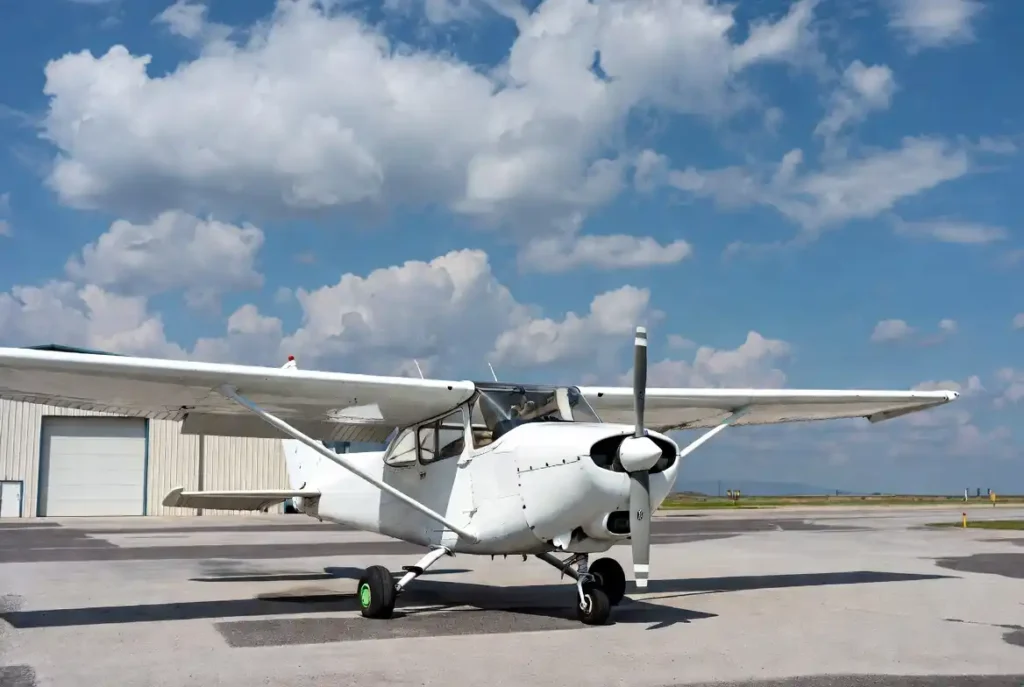
Hull insurance covers physical damage to your aircraft — think of it as comprehensive and collision coverage combined. There are two sub-types every aircraft owner needs to understand:
In-flight hull coverage pays for damage that occurs while the aircraft is in motion — taxiing, taking off, flying, and landing. This is the most expensive component of hull coverage because accidents in motion tend to result in total losses.
Ground/not-in-motion hull coverage covers damage while the aircraft is parked, hangared, or being towed. This includes hail, fire, theft, and hangar rash. It’s cheaper than in-flight coverage, and some owners on tight budgets opt for ground-only to reduce premiums.
Hull coverage is typically written as agreed value (the insurer pays the full agreed amount in a total loss, with no depreciation applied) or actual cash value (pays current market value minus depreciation). Always push for agreed value — it’s worth the marginally higher premium and eliminates costly disputes after a total loss.
2. Liability Insurance
Liability coverage is the most critical element of any private plane insurance policy in the USA. It protects you financially if your aircraft injures someone or damages third-party property. It has two components:
- Bodily injury liability: Covers medical expenses, lost wages, and legal claims from people injured by your aircraft (excluding passengers, who are covered separately)
- Property damage liability: Covers damage your aircraft causes to vehicles, structures, fences, other aircraft, or any third-party property
Most aviation attorneys recommend a minimum of $1 million per occurrence in liability coverage. Many experienced pilots carry $5 million or more, especially when flying over densely populated areas. The AOPA Insurance Resource Center is one of the most trusted references in general aviation for understanding how much liability protection you actually need.
3. Passenger Liability (Passenger Legal Liability)
Standard liability insurance typically excludes passengers aboard your aircraft. Passenger Legal Liability (PLL) coverage fills that gap — it pays for injuries sustained by people flying with you, whether family members, friends, or business associates.
In an increasingly litigious aviation environment, carrying at least $100,000 per passenger seat in PLL coverage is considered the baseline. Most insurers offer per-seat limits ranging from $25,000 up to $1 million or more.
4. Medical Payments Coverage
Medical payments coverage pays for immediate medical expenses for the pilot and passengers regardless of fault. It is a no-fault coverage designed to handle emergency costs quickly, without waiting for liability disputes to resolve. Limits typically range from $1,000 to $10,000 per person and are included in most standard policies.
5. Non-Owned Aircraft Liability
If you regularly rent aircraft or fly club planes, non-owned aircraft liability insurance covers your personal liability exposure when operating aircraft you don’t own. This is essential for student pilots and renters — because the aircraft owner’s policy may not protect you personally in the event of an accident. If you’re currently training, our guide to the best flight schools in Florida explains exactly what insurance coverage is typically required before your first solo.
Section 3: How Much Does Private Plane Insurance Cost in the USA? (2026 Data)
Private plane insurance costs in the USA vary widely based on aircraft type, pilot experience, usage, and coverage limits. The NTSB’s aviation accident statistics consistently show that accident rates differ significantly by aircraft category and pilot experience level — and these statistics directly influence how underwriters price your annual premium.
Below is a realistic breakdown of average annual premiums for the most popular general aviation aircraft in the USA:
| Aircraft | Hull Value | Annual Premium | Liability Limit |
|---|---|---|---|
| Cessna 150/152 | $25,000–$40,000 | $900–$1,800 | $1M/occurrence |
| Cessna 172 Skyhawk | $50,000–$120,000 | $1,200–$2,500 | $1M/occurrence |
| Piper Cherokee 140/180 | $35,000–$65,000 | $1,000–$2,200 | $1M/occurrence |
| Beechcraft Bonanza A36 | $180,000–$350,000 | $3,500–$7,000 | $1M/occurrence |
| Cirrus SR22 | $300,000–$500,000 | $4,000–$9,000 | $1M/occurrence |
| Piper Seneca (Twin) | $150,000–$350,000 | $5,000–$12,000 | $1M/occurrence |
| Light Sport Aircraft (LSA) | $25,000–$80,000 | $700–$1,500 | $1M/occurrence |
| Experimental / Homebuilt | $30,000–$150,000 | $800–$3,000 | $1M/occurrence |
Note: These figures represent averages for pilots with 200+ total hours and a clean accident record. New and student pilots typically see premiums 30–70% higher for identical coverage.
The single biggest lever on your annual premium is your pilot certificate level and logged flight hours. A student pilot insuring a Cessna 172 might pay $3,000–$4,500 per year for the same policy that a 1,000-hour instrument-rated pilot would secure for $1,200–$1,800.
Section 4: Top 5 Best Aviation Insurance Companies in the USA (2026)
Choosing the right provider is just as important as selecting the right coverage. The best private plane insurance companies in the USA combine competitive pricing with genuine aviation expertise, fast claims handling, and pilot-friendly underwriting. Here are the top five based on market reputation, coverage breadth, and pilot community feedback in 2026.
1. AOPA Aviation Insurance (Administered by Falcon Insurance)
The Aircraft Owners and Pilots Association is the largest general aviation advocacy organization in the US. Their insurance program — underwritten through Falcon Insurance Agency — is consistently among the first recommendations in the aviation community. Completing courses through the AOPA Air Safety Institute can translate directly into premium discounts with several carriers.
- Best for: AOPA members, student pilots, and first-time aircraft owners
- Strengths: Competitive rates for low-time pilots, strong customer service, and educational resources that help you genuinely understand your coverage
- Worth noting: You don’t need to be an AOPA member to request a quote, but members often receive preferential rates
2. Global Aerospace
Global Aerospace is one of the world’s largest aviation insurance specialists. They underwrite everything from student pilots to complex piston twins and turboprops, and their financial strength ratings are among the highest in the sector. If you want to understand why insured aircraft value matters so much at the maintenance level, our piece on what happens inside a $100M aircraft maintenance check is a fascinating read.
- Best for: Owners of high-value aircraft — Cirrus SR22, Beechcraft Baron, turboprops — who need robust agreed-value hull coverage
- Strengths: Broad policy customization and deep experience across commercial, corporate, and private aviation
3. Avemco Insurance Company
Avemco has been a fixture in general aviation insurance since 1961 and is well known for writing directly — meaning no agents or brokers, which keeps costs meaningfully lower.
- Best for: Pilots who prefer a direct-to-insurer experience with transparent pricing and no broker commissions
- Strengths: Simple online quoting, direct writer model, solid long-term claims reputation
- Worth noting: Their sweet spot is certificated private pilots with 200+ hours. They are more conservative with student pilots.
4. Starr Aviation
Starr Aviation is a significant player in the aviation insurance space, offering broad coverage options for private aircraft, homebuilts, and light sport aircraft.
- Best for: Experimental aircraft owners and homebuilders with non-standard aircraft that some carriers won’t touch
- Strengths: Willing to underwrite experimental and homebuilt aircraft; competitive on light sport aircraft
5. AssuredPartners Aerospace
AssuredPartners Aerospace is one of the largest aviation insurance brokers in the country, giving clients simultaneous access to multiple underwriters.
- Best for: Pilots who want a broker advocating on their behalf — especially valuable for complex situations or high-value aircraft
- Strengths: Multi-market access, expert aviation advisors, and strong claims advocacy
Quick Comparison — Top 5 Aviation Insurance Companies USA (2026)
| Provider | Type | Best For | Student Pilots | Online Quotes |
|---|---|---|---|---|
| AOPA / Falcon | Broker/Program | All GA pilots | Yes | Yes |
| Global Aerospace | Underwriter | High-value aircraft | Limited | No |
| Avemco | Direct Writer | Certificated pilots 200hr+ | Limited | Yes |
| Starr Aviation | Underwriter | Experimental / LSA | Yes | Via broker |
| AssuredPartners | Broker | Complex situations | Yes | Yes |
Section 5: 8 Key Factors That Affect Your Private Plane Insurance Premium
Understanding what drives your private plane insurance cost in the USA puts you in a far stronger position when shopping for coverage.
1. Total Flight Hours More hours means lower perceived risk and a lower premium. The most significant pricing jumps occur at the 0–50, 50–100, 100–200, and 200–500 hour milestones.
2. Certificate Level IFR-rated pilots typically pay 15–25% less than VFR-only pilots for equivalent coverage. If you haven’t chosen a flight school yet, our guide to the best aviation schools in the USA will help you find a program that builds your hours and ratings efficiently.
3. Aircraft Make and Model A Cirrus SR22 equipped with a CAPS parachute system attracts lower premiums than comparable aircraft because of its documented safety record. High-performance aircraft — retractable gear, variable prop, turbocharged engines — cost more to insure across the board.
4. Agreed Value vs. Actual Cash Value Agreed value hull coverage costs 8–15% more but pays your full stated value in a total loss with no depreciation argument. The premium difference is almost always worth it.
5. Liability Limits Moving from $1M to $5M in liability coverage typically adds only $200–$500 per year to your total premium. The marginal cost of extra protection is exceptional value compared to the risk it eliminates.
6. Annual Hours Flown Lower declared usage means a lower premium. Insurers price in brackets — typically under 50, 50–100, 100–200, and 200+ hours per year. Always declare your expected hours accurately.
7. Accident and Incident History A single at-fault accident can increase your private plane insurance premium by 40–80% for three to five years. The NTSB accident database is a sobering but essential resource for any pilot who wants to understand the real cost of complacency in the cockpit.
8. Geographic Operations Flying near congested Class B airspace carries higher liability exposure than operations over rural areas. If you operate near Florida’s busy corridors, our 2026 US airline safety analysis shows how shifting regulatory pressure is reshaping risk assessment across the entire industry — including how those changes trickle down to private aviation premiums.
Section 6: How to Get the Best Deal on Private Plane Insurance in the USA
Step 1: Build Your Pilot Resume Before You Quote
Before shopping for private plane insurance, secure a current flight review (BFR), a current IPC if you’re instrument rated, and a recent checkout in the specific aircraft you intend to insure. The FAA Wings Pilot Proficiency Program is one of the most widely recognized safety initiatives in general aviation, and completing Wings activities can translate directly into premium discounts with several carriers.
Step 2: Get at Least 3 Quotes
Prices between carriers can vary by 20–40% for identical coverage. Always collect quotes from at least one direct writer (Avemco), one dedicated aviation broker (AssuredPartners or similar), and the AOPA program. If you’re still weighing where to train before buying your own aircraft, our comparison of Meritize vs. Sallie Mae for flight school financing gives a useful picture of how to manage the full cost of becoming a private pilot.
Step 3: Understand Your Deductible Options
For hull coverage on a $100,000 aircraft, moving from a $0 deductible to a $5,000 deductible might save $300–$600 per year. If your aircraft is well maintained and your flying is disciplined, a higher deductible can pay off significantly over time.
Step 4: Bundle When Possible
Ask about package discounts for multiple aircraft, combining aviation liability with a personal umbrella policy, or insuring through the same carrier as your hangar coverage. Many providers offer meaningful bundling incentives that aren’t advertised upfront.
Step 5: Review Annually — Reshop Every 2–3 Years
Review your private plane insurance policy at every renewal. Your aircraft’s value changes, your credentials improve, and your flight patterns evolve. Sticking with the same carrier out of habit — without periodic comparison shopping — is one of the most common ways private pilots overpay on their coverage.
Section 7: FAQ — Private Plane Insurance in the USA
Is private plane insurance required by law in the USA?
No federal law mandates aviation insurance for private aircraft in the United States. However, most lenders require it as a financing condition, and most airports and FBOs require minimum liability coverage to operate on their property. The FAA’s official pilot and aircraft regulations confirm that while certification requirements are strict, insurance is left to the discretion of owners and lenders. Flying without coverage is technically legal in most states — but a single accident can cost you everything.
How much does it cost to insure a small plane per year?
For a basic single-engine aircraft like a Cessna 172, private plane insurance in the USA typically costs between $1,200 and $2,500 per year for a certificated pilot with 200+ hours and $1 million in liability coverage. Student pilots typically pay $3,000–$5,000 or more for the same aircraft and policy limits. Our student pilot insurance guide covers the lower end of the market in full detail.
What is the difference between hull and liability coverage?
Hull coverage protects the physical aircraft from damage, destruction, or theft. Liability coverage protects you from claims made by third parties injured or whose property is damaged by your aircraft. Both are essential — without hull coverage, a total loss comes entirely out of pocket; without liability coverage, a single lawsuit can exceed everything you own.
Can a student pilot get aircraft insurance?
Yes, but premiums are higher and some carriers are more selective. AOPA and several specialty programs cater specifically to student pilots. Completing a structured training program and maintaining thorough logbook records helps considerably. Read our full aviation insurance guide for student pilots for a complete breakdown of your options.
Does homeowner’s insurance cover my aircraft?
No. Standard homeowner’s insurance policies explicitly exclude aircraft. Even an ultralight sitting in your garage is generally not covered for aviation-related claims. Your aircraft requires its own dedicated private plane insurance policy — no exceptions.
What happens if I lend my plane to another pilot?
This depends on your policy’s open pilot warranty clause. Most policies cover named pilots or qualified pilots meeting minimum experience requirements defined in the policy. Always review this clause and confirm coverage before lending your aircraft. If the borrowing pilot causes an accident and is not covered under your policy, you may bear full personal liability.
How do I file an aviation insurance claim?
Contact your insurer’s claims department immediately after any incident. Document everything with photographs, written statements, and ATC recordings if available. File your FAA incident report if required under NTSB reporting regulations. Do not authorize repairs before insurer approval — unauthorized repairs can void your claim entirely.
Can I get a discount for flying fewer hours?
Yes. Most aviation insurers price policies in annual flight-hour brackets. Pilots who fly under 50 hours per year typically pay less than those flying 100–200 hours annually. Accurately declare your expected hours — overstating hours in an attempt to appear more proficient often backfires by placing you in a higher premium bracket.
What coverage do I need if I fly out of Florida?
Florida is the most active general aviation state in the US with over 700 public-use airports. Most Florida-based pilots should carry a minimum of $1 million in liability, and ideally $2–$5 million when operating near Miami, Tampa, or Orlando Class B airspace. For a full picture of the Florida aviation ecosystem, see our detailed guide to the best flight schools in Florida in 2026.
Does aviation insurance cover medical costs if I’m injured in my own plane?
Standard liability coverage does not cover the pilot’s own medical expenses. To protect yourself as pilot-in-command, you need medical payments coverage (typically $1,000–$10,000, included in most policies) or a separate personal accident policy. For long-term career protection in aviation, our 2026 USA AMT Salary Guide provides useful context on how aviation professionals structure their financial protection.
Final Thoughts: Choosing the Best Private Plane Insurance in the USA
Finding the best private plane insurance in the USA in 2026 isn’t about choosing the cheapest policy — it’s about finding the right balance of coverage, provider reputation, and value for your specific pilot profile and aircraft type.
Start by understanding your actual exposure: what your aircraft is worth, what liability limits make sense for where and how you fly, and what your financial tolerance is for out-of-pocket risk. Then collect competitive quotes from at least three sources and compare them coverage line by coverage line.
The five providers covered in this guide — AOPA/Falcon, Global Aerospace, Avemco, Starr Aviation, and AssuredPartners Aerospace — represent the strongest options in the US general aviation insurance market today. And as we covered in our 2026 airline safety crisis analysis, the regulatory landscape is shifting fast — staying properly insured has never been more important for private operators.
One thing is certain: the cost of proper private plane insurance in the USA is trivial compared to the cost of flying without it. In aviation, protection isn’t optional — it’s part of airmanship.
Fly safe, fly smart, and fly insured.
Published by AviationTitans.com — Your trusted source for aviation news, training guides, and industry analysis.

Senior NDT Controller with over 20 years of experience in aviation (FAA, EASA, and NRCAN certified). Expert in aircraft maintenance, non-destructive testing (NDT), and pilot training. I share practical, up-to-date 2026 guides for pilots and aviation maintenance technicians.